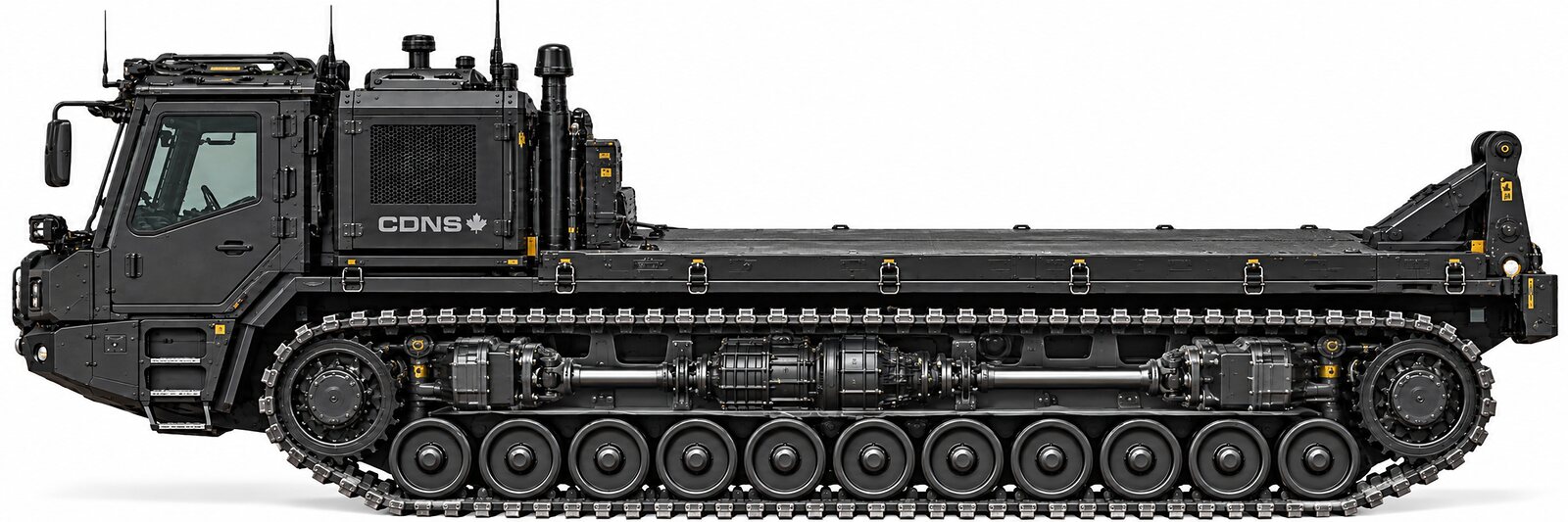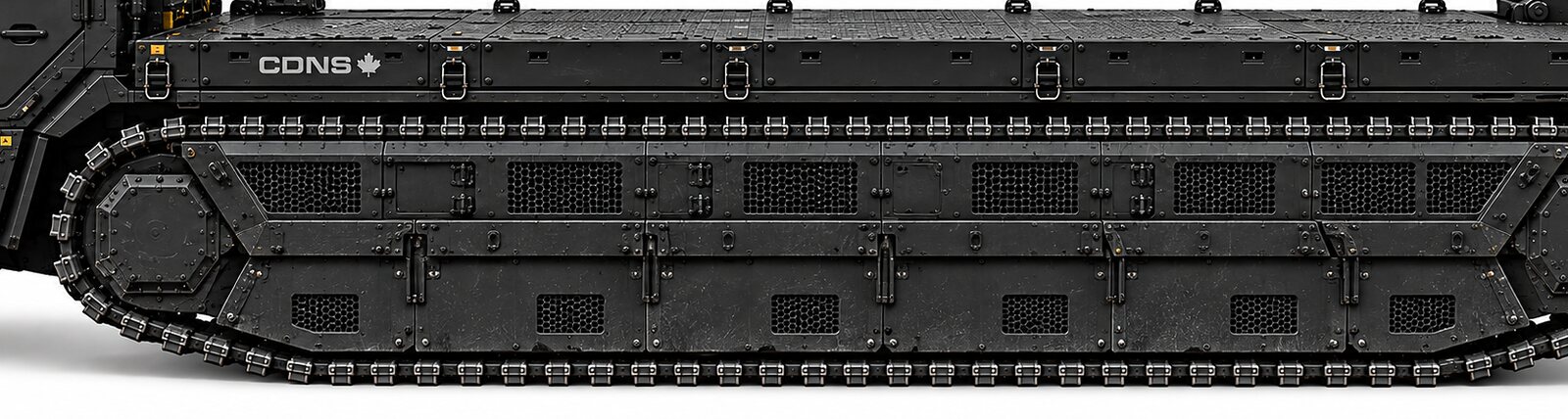
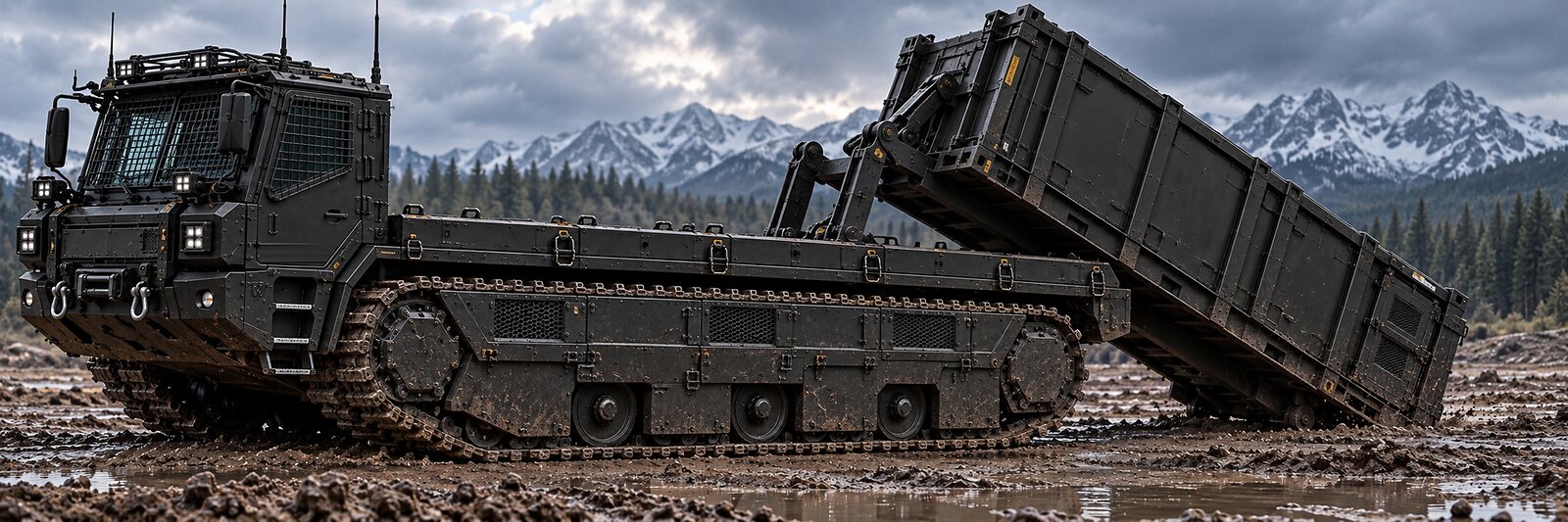
A skid is plant that is built somewhere else. The pumps, vessels, valves, piping, instruments and enclosures that make up one piece of process are set on one steel frame in a shop, piped and wired there, and the frame is what ships. A modular building is the same idea with walls on it. The electrical work on a skid differs from field work in one respect that decides every other: the skid is wired to its own drawing, not to the site's.
The site's set describes a plant that does not exist yet, and it will be revised after the skid is built. The skid's set describes a frame that exists. The two sets meet at one place, a terminal strip at the edge of the frame, and that strip is the only thing they have to agree on. Everything inboard of it is ours to build and to prove. Everything outboard of it is the site's, built to the site's set by people who have gone home by the time the crane arrives. The seam is that strip.
The mechanism
Electrically, a skid is a small plant with a hard edge. Power arrives at a skid disconnect, and from there each motor on the frame is fed on its own conductors through its own starter and its own local disconnect. The pumps, the fans, the agitator, the heat tracing on the piping and the enclosure heaters are the branches of that tree.
The control side is a star out of one control panel on the frame. From the panel a run goes to every device the electrical scope owns: each local control station, line-voltage switch, pilot light and interlock. Those runs leave the panel in tray or in conduit fixed to the frame, branch at junction boxes bolted where the drawing places them, and end at the device. Every run is terminated at both ends in the shop. There is no run on the skid that ends in a coil of wire waiting for the site.
The safety side is a series loop through every emergency stop, guard switch and trip on the frame, closing at a safety relay in the panel. It runs in its own conduit or bundle, spliced nowhere, to its own terminals. Where the skid carries instruments, they are wired only if the scope agreement says they are ours, and then in their own shielded, segregated route to their own terminals.
The control panel, the junction boxes, the local stations and the motors are separate shells on one frame, and every conductor that passes between them crosses steel that moves. The runs are in covered tray or in conduit fixed to the frame, entering each shell through a gland at the bottom, with a drip loop outside and strain relief at the entry.
The frame is a bonding path, and it is not trusted as one. The frame is bonded on purpose: a bonding conductor runs to every enclosure, every motor frame and every tray section, a jumper crosses every bolted joint the path relies on, paint is removed under every lug, and the whole path collects at a bonding bar with a lug for the site's grid.
The terminal strip at the skid edge is where the skid's intentions meet the site's. The site's side of every terminal is labelled with the identity the site's set gives it and the skid's side with the identity the skid's set gives it, so that the crew landing a site cable reads their own drawing, the person servicing the skid reads ours, and both are looking at the same terminal.
What it is engineered to
The landing is a crane, a pad, a grout pour and a crew with the site's cables coiled at the edge of the pad. The skid is engineered so that the crew makes one class of connection, at one place, from one list, and so that nothing on the frame has to be opened, moved or re-terminated to make it.
What the skid promises the site is that every external landing is at the edge strip, is on the interface list, is labelled on both sides, and takes the cable the site's set calls for. What the site promises the skid is that the feeder is the one on the interface list and that the cables arrive at the drawn edge and nowhere else. When either side changes, the change lands on the edge strip, and the edge strip is a drawing, not a field decision.
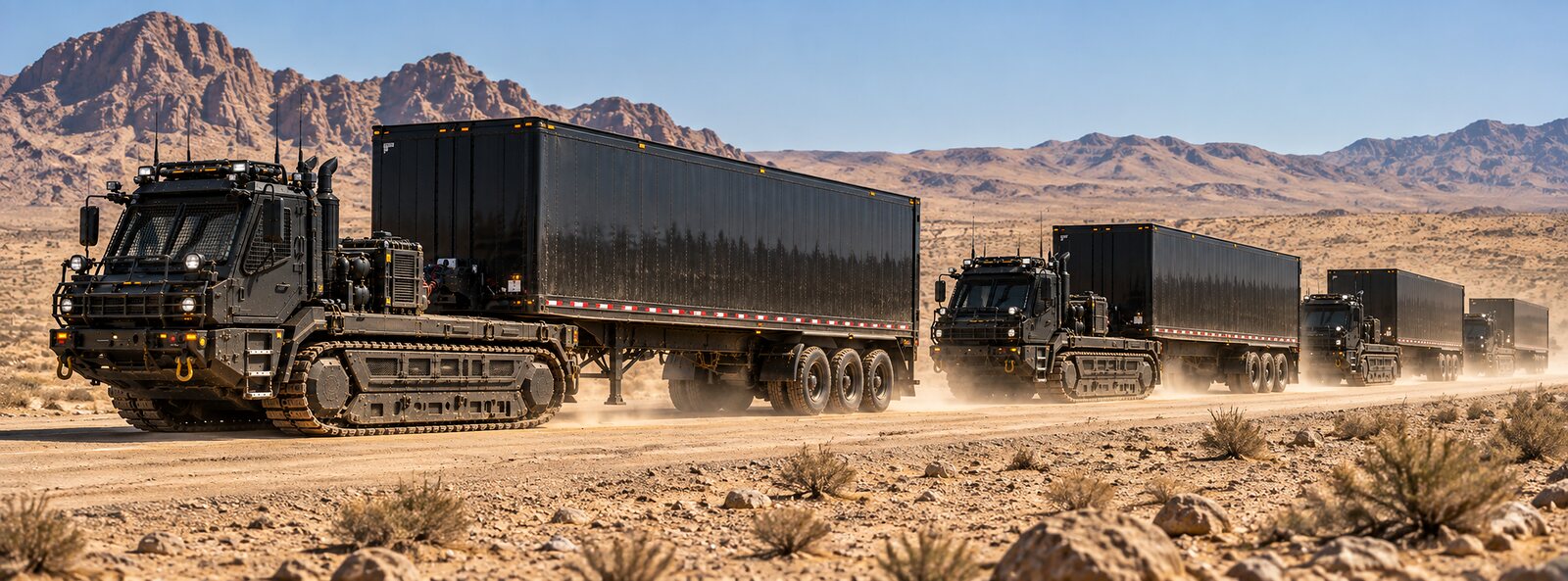
In transit the skid rides on a trailer for hours, and it vibrates there in a way it never will on the pad. Every conductor in tray is tied so it does not saw against a tray edge. Every conduit is fixed on both sides of any frame joint it crosses. Every box is braced, every breaker and drive restrained, every door latched and blocked, and anything that cannot be restrained is shipped in the kit. Nothing on the pad will shake the skid the way the trailer does.
When the skid is set, the frame flexes under the crane and then settles as the grout cures. A rigid conduit across two frame members that move relative to each other will crack a coupling or pull a fitting out of a box, so any run across a frame joint is made with a length that can move, and it is drawn that way.
In winter the piping on the skid is heat traced, the enclosures are heated to stay above the dew point, and the cable jackets are ones that flex in cold rather than crack. In wash-down, every entry is from the bottom, every gland is rated for a hose, and the drip loops mean the water on a cable runs to the frame and not into a box.
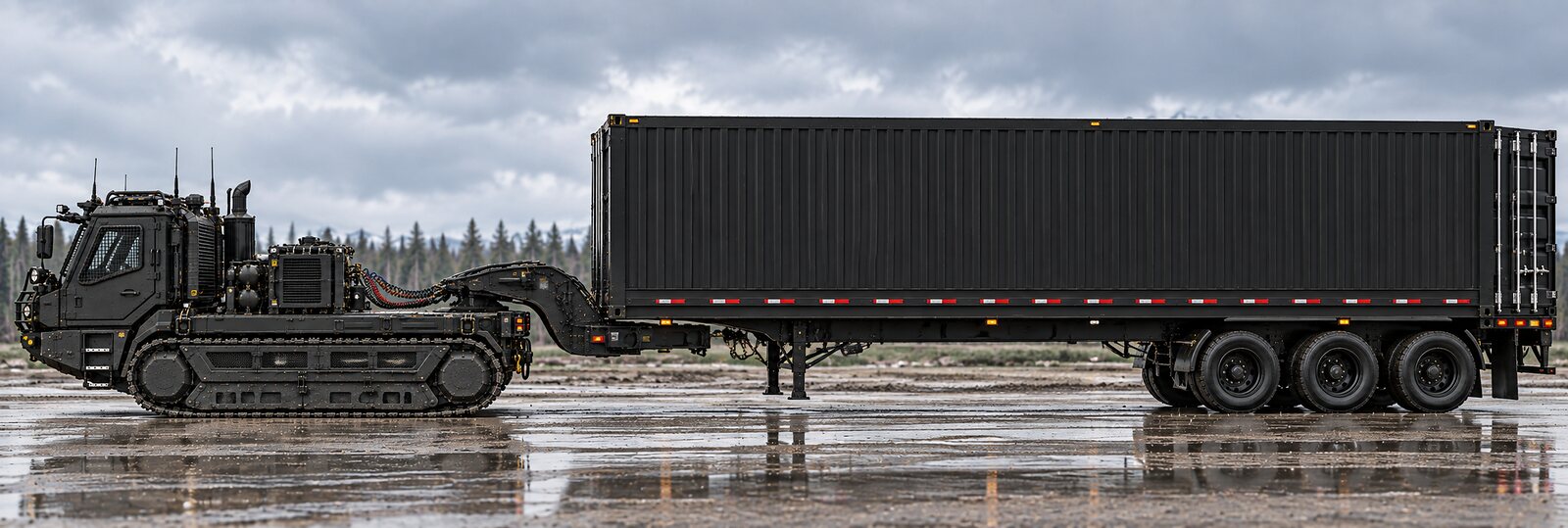
Every conductor carries its circuit identity, end to end.
The discipline applied to this harness
Segregation on a skid is a matter of steel. The tray carries a divider, or there are two trays, so that the power feeders and the control conductors never share a channel. The safety loop has its own conduit or bundle from the first stop to the relay. The sentence that governs it, on every skid, is this: safety circuits never share a bundle, a splice or a shell with power.
Protection is the drawing's, not the shop's. Each motor has its overload at the starter and its disconnect within sight. Each conductor is protected at its source at the rating the drawing gives it.
Bonding is tested as a path. A bonding continuity test asks whether every part that is supposed to be on the path is in fact on it, and it is run on the finished frame with the transport bracing still on, because the bracing is the part most often never bonded and most often touched first. The bracing removal list names every brace that was on the path, so that the bond is proved again at the pad once the bracing is off.
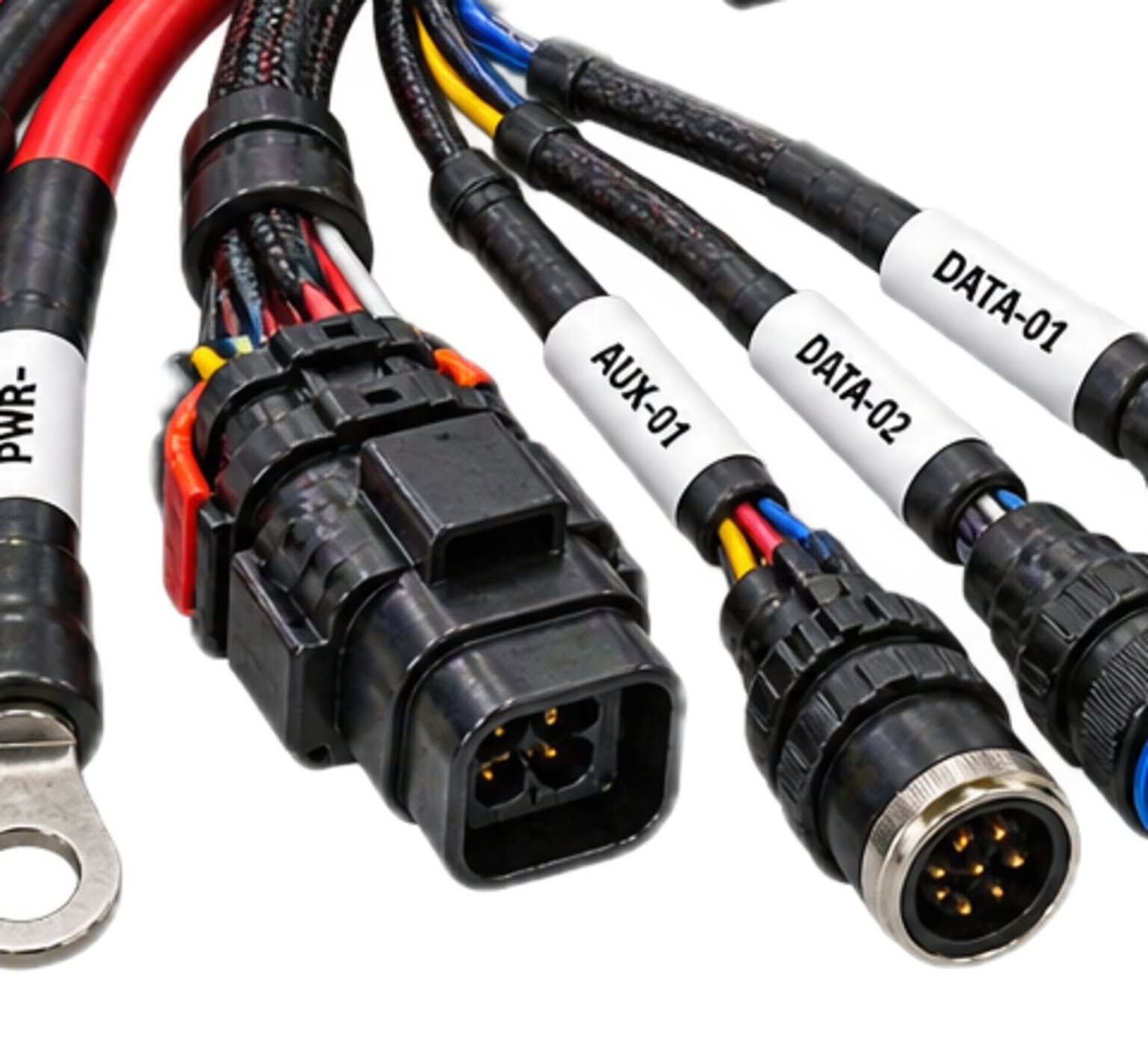
Identification runs end to end. Every conductor carries its circuit identity at both ends and that identity is on the skid's drawing. Every terminal is numbered, and the edge strip carries both identities where the interface list gives both. The labels are printed, not hand-written, on a material that survives sun, cold and a hose.
Routing on a skid is drawn on the skid layout. The route does not cross a lifting lug, a walking surface, a grout pocket or a frame joint without a drawn allowance for movement.
Test is what makes the record true, and it is run on every finished skid before it leaves. A point-to-point continuity check asks whether every conductor on the drawing is present, lands where the drawing says, and lands nowhere else. An isolation test asks whether the circuits that must never meet are in fact separate. The safety loop is proven open and closed before power is applied to anything it controls. A functional test with power on runs each motor from its own control. Rotation follows the feeder and not the shop, so the record states the direction each motor turned on the shop's supply and the landing sheet asks the commissioning crew to prove it again once the site's feeder is on. The values those tests are set to are stated on the shop drawing for that skid by the engineer responsible for it, and they are not published for a class of assembly.
CSA governs, and the Canadian Electrical Code with it: its requirements on segregation, on protection at the source, on bonding continuity and on the identification of conductors are what the shop builds to.
Done badly, a skid fails on the pad with a crane on the clock, and then it fails again as a truck roll. A conduit run rigid across a frame joint arrives cracked. A bonding path that relied on paint reads open the first time someone checks it. An edge strip labelled on one side only sends the crew back to the truck to call someone who is not there. An instrument the skid builder wired and the mechanical trade owns on the site's set is an instrument nobody signed for, and it is found at commissioning.
How it is bought
The skid is bought from the issued set. On a skid that is the package engineer's set: the motor list, the control schematics, the frame layout and the interface list. The takeoff is performed from that set, not the site's, and it lists every conductor, termination, device, gland and label on the frame before a price is stated.
The components we specify carry their own certification. The approval route for a finished, project-specific assembly is confirmed with the certifying body for that assembly before it is built, and we tell you where yours sits before we build it, not after.
Nothing is fabricated until the drawing is signed. The shop drawing for the skid, with its terminal schedules, wire list, bonding drawing, label schedule and test plan, goes to you for signature, and the first conductor is cut after the signature and not before.
Every skid ships with its own record: the signed shop drawing as built, the wire list, the terminal schedules for every box and for the edge strip, the test record signed by the person who ran it, the bracing removal list, and a photograph of every enclosure before its door was closed. It is what a site electrician opens when a motor stops a year from now, and it lets a stranger to our shop read the skid the way we do.
The edge strip is the one place the skid's wiring and the site's ever agree. The site is wired to its own drawing and the skid to its own, but the strip is agreed, every terminal has a meaning both sides honour, and a site electrician lands the field cables on it from the terminal schedule alone. We build the skid's side and make the strip exactly what the interface list says, and we refuse to wire the skid to the site's drawing, because the site will change and the skid will already be on the road.
The scope on controls is agreed before the takeoff. On many industrial drawing sets, low-voltage controls and their wiring are the mechanical trade's scope, and line-voltage power and controls are the electrical trade's. We do not quote low-voltage building-automation or instrumentation harnesses as part of an electrical package without an explicit scope agreement.
To start, send the skid's set and the interface list, and say which devices on the frame are in the electrical scope. We answer with what the takeoff needs and the scope boundary as we read it, and with what the walk has to see before a length is cut; the shop drawing follows. Enquiries is the door, and where the skid shares a pad with a landed power and control package, the remote site package is the other half of the conversation. We do not count the frame as a bonding conductor, we do not wire a skid to a field sketch, and we do not ship a skid without its record.