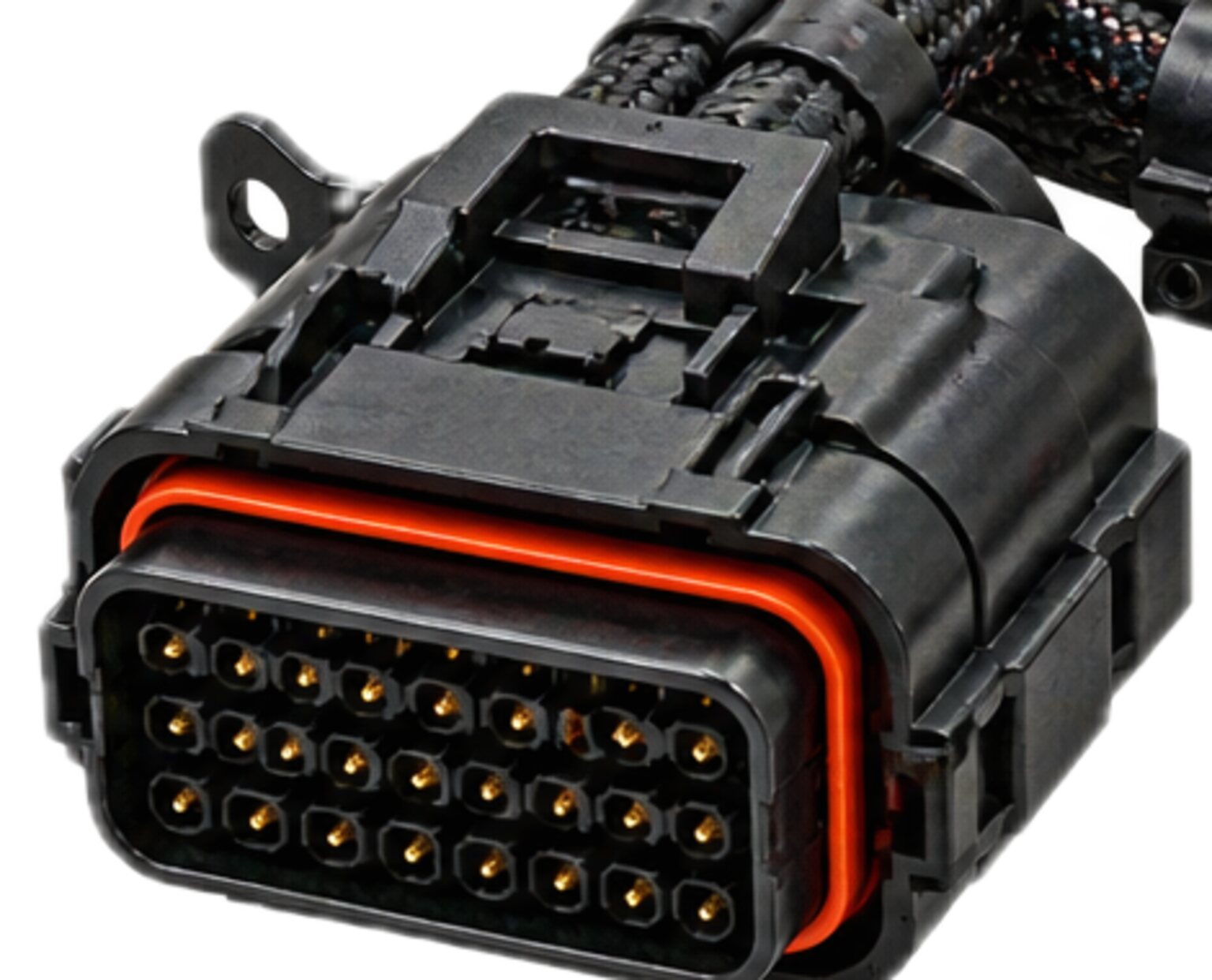
An electrical assembly made for sale or installation in Canada answers to CSA certification and the Canadian Electrical Code. Not to the framework of the country the parts came from, not to the framework the designer trained under, and not to the framework of the shop that built it, if that shop is somewhere else. The site where the assembly is energized decides which framework applies. In Canada that is the Code, applied by the authority having jurisdiction for the site, with certification by a body that authority recognizes as the evidence it expects to see.
A harness is an electrical assembly. So is a skid, a pre-terminated enclosure and a remote-site power and control package. Everything on the industrial plant line is one, and so is a loom on a machine. None of them is exempt because it was built on a bench instead of at the site.
Ask which framework before you ask anything else
A supplier can answer every other question well and still be the wrong supplier. Capability, lead time, price, the quality of the crimp: all of it is conditional on the framework the shop builds to. A shop that builds to another country's framework builds a different object. The parts carry different marks. The wiring inside an enclosure follows different requirements. The colours on the conductors mean different things. Two enclosures can look identical in a photograph and only one of them can be energized in Alberta.
So the question comes first, before the capability presentation and before the quote. The answer you want is not a claim of compliance. It is a description of a route: which framework, which certifying body, and how the shop finds out where a given assembly sits under it. A supplier that says it builds to code, without saying which code, has told you the difference does not matter to it. A supplier that answers with a certification it holds on a product type has told you something true about that product type and nothing about your assembly.
This shop builds to the Canadian Electrical Code and the CSA certification framework, and that is the answer before the quote is written.
A component is not an assembly
The parts on the bench arrive with their certification already on them. A connector, a terminal block, a breaker, a contactor, a length of cable: each was made as a product, examined as a product under a certification program, and carries the mark that says so. The mark belongs to the part. It travels with the part into whatever the part is built into, and no further.
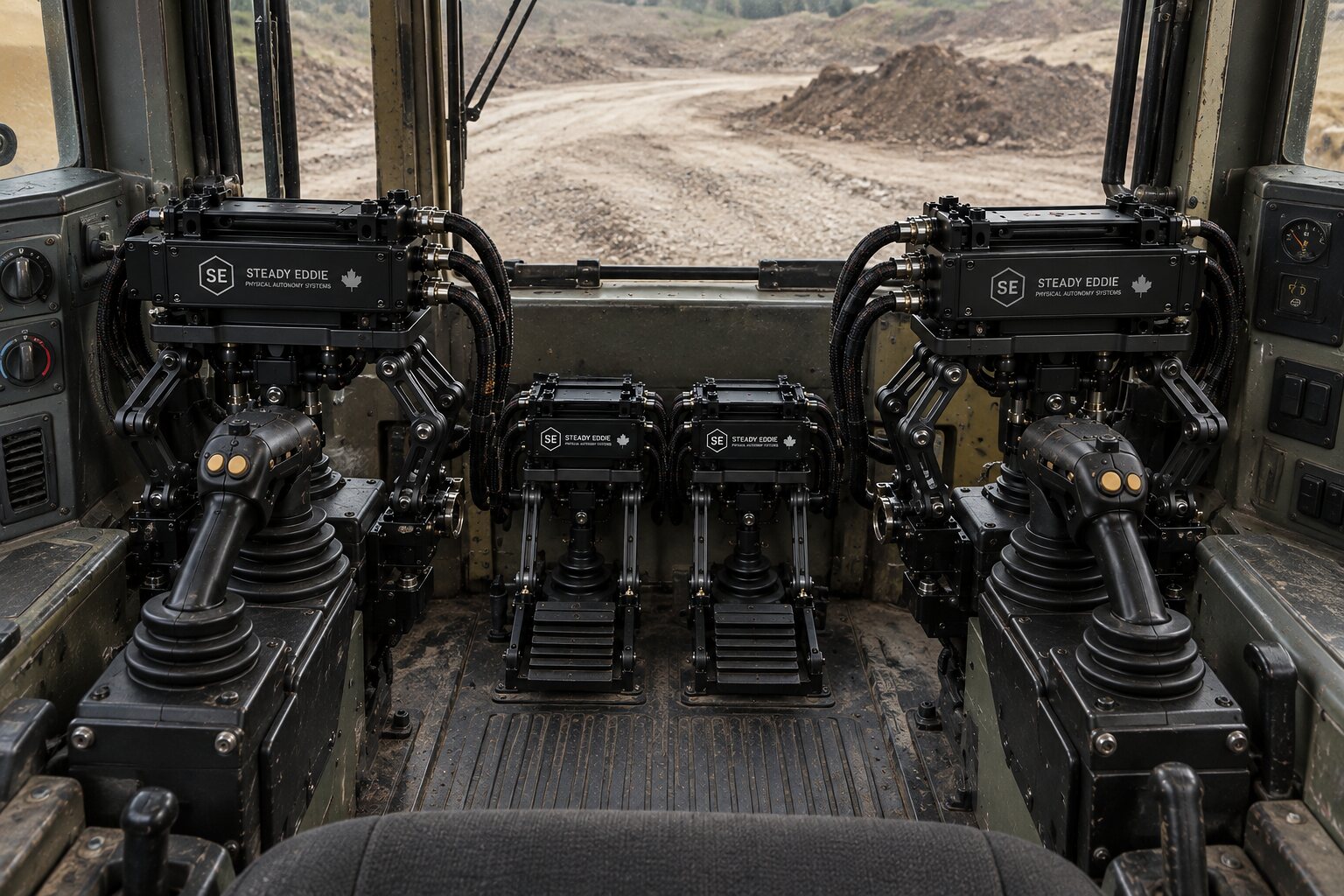
When those parts are assembled into a skid, an enclosure or a harness on a machine, the result is a new object with properties none of the parts had: the spacing between live parts, the routing and protection of conductors inside, the bonding of the enclosure, the terminations at the boundary, the behaviour of the whole when one part fails. None of that was examined when the parts were made, because none of it existed yet. The marks on the parts do not add up to a mark on the box.
That distinction gets skipped, and it gets skipped in the direction of optimism. A shop that has bought good parts believes it has built a good assembly, and it may have. Whether the assembly can be energized at your site is a separate question, and the answer comes from the body that certifies assemblies, not from the marks on the parts.
The components we specify carry their own certification. The approval route for a finished, project-specific assembly is confirmed with the certifying body for that assembly before it is built, and we tell you where yours sits before we build it, not after.
Every conductor carries its circuit identity, end to end.
What the approval route means in practice
The approval route is the path by which a finished assembly reaches the state where the authority at the site will let it be energized. There is more than one path. Which one applies depends on what the thing is, where it is going, who will own it when it is live, and whether it is one of many or one of one. The routes have names and numbers in the trade. We describe them in words rather than recite numbers that shift between editions and between provinces.
A skid built as a repeatable product, the same design going to many sites, can go through product certification: the design examined once, each unit built to that examined design and marked. A skid built once, for one site, to one drawing set, has no product to certify. Its route is usually an evaluation of that individual assembly by a recognized body, at the shop before it ships or at the site before it is energized, against what the Code requires of what it contains.
An enclosure follows the same fork. A pre-terminated enclosure of a standard design can be made under a program that covers the design. A one-off layout of breakers, terminals, relays and a controller is its own object and is examined as such, and what the examination looks at, the spacing, the wiring method, the bonding, the labelling, is exactly what the bench decides.
A harness on a machine is different again, because the harness is usually not the unit of approval. The machine is. The harness sits inside the machine's route, and the party that holds the machine's design carries that route. What the harness must do is not break it: use parts the machine's route permits, keep the separation and identification the machine's specification requires, and hand the machine's owner a build record that shows it did. On the autonomy and training lines the machine programme owns the design and the drawing master. We build the shop pack to its issued set and we return the manufacturing detail.
A package for a remote site is installed under a permit, inspected at site by the authority for that site, and often made up of a skid, an enclosure and interconnect that each have their own status. Its route is decided by the authority where it lands, and the shop cannot know what that authority will want to see without knowing which site it is. That is why the shop asks.
The authority at the site
The authority having jurisdiction is the body that inspects electrical work where the assembly is installed and says whether it may be energized. In Canada that authority is provincial or territorial, and in places municipal, or delegated to a utility or an agency. Each applies the Code with the amendments its jurisdiction has adopted, and each has its own practice on what evidence it accepts for a finished assembly that arrived on a truck: a certification mark it recognizes, an evaluation label from a body it recognizes, or a field inspection of its own. What satisfies one inspector in one province is not automatically enough for another.
- That is why the shop asks where the assembly will be installed before it quotes.
- The answer changes the route.
- It can change the parts, because a mark one authority accepts may not be the mark another wants.
- It can change the marking and the paperwork the assembly ships with.
- It can change who pulls the permit and who stands in front of the inspector.
- A quote written without that answer is a quote for an object whose acceptance nobody has thought about, and the cost surfaces at the worst place, which is the site, on the day the assembly was meant to go live.
The shop also asks who will own the installation when it is energized, because the authority deals with the owner and the contractor of record, not with the harness house. Our job is to build the assembly so that the owner's conversation with the inspector is short.
The Code on the bench
The Canadian Electrical Code is written as requirements for installations. On a bench the requirements become decisions, made before the first conductor is cut. Four of them do most of the work.
Separation of circuits. The bench keeps circuits of different classes and voltages apart, and lets them share a bundle only where every conductor in it is insulated for the highest voltage present and the drawing, citing the Code, says they may. In this shop the rule is absolute: safety circuits never share a bundle, a splice or a shell with power. A safety chain bundled with a power feed has insulation as its only defence, and insulation fails. The practice is on the segregation page.

Conductor protection. On this bench every conductor has a device upstream of it, sized to it, and the smallest conductor downstream of a device sets what that device may be. A branch added for convenience, tapped off a feed in a smaller size to reach a sensor, is the classic way an assembly ends up with a conductor whose protection will let through more current than the conductor can survive. The bench decision is that no conductor lands on a device it is not sized for, and that every conductor is protected from mechanical damage along its route: edges, clamps, bend points, the place where a loom leaves a fixed panel and enters a moving frame.
Bonding. On this bench, everything conductive that could become live when insulation fails is bonded by a drawn conductor, sized for the fault it must carry, terminated to bare metal, and continuous. A bond is not a chance contact through a hinge or a painted flange. Paint under a lug is an open bond. Shield grounding answers a signal question and, where a shield or an armour is a bonding path in a fixed installation, a safety one as well. It sits beside bonding on the shielding and bonding page, and the two are kept apart on the bench because one conductor cannot do both jobs.
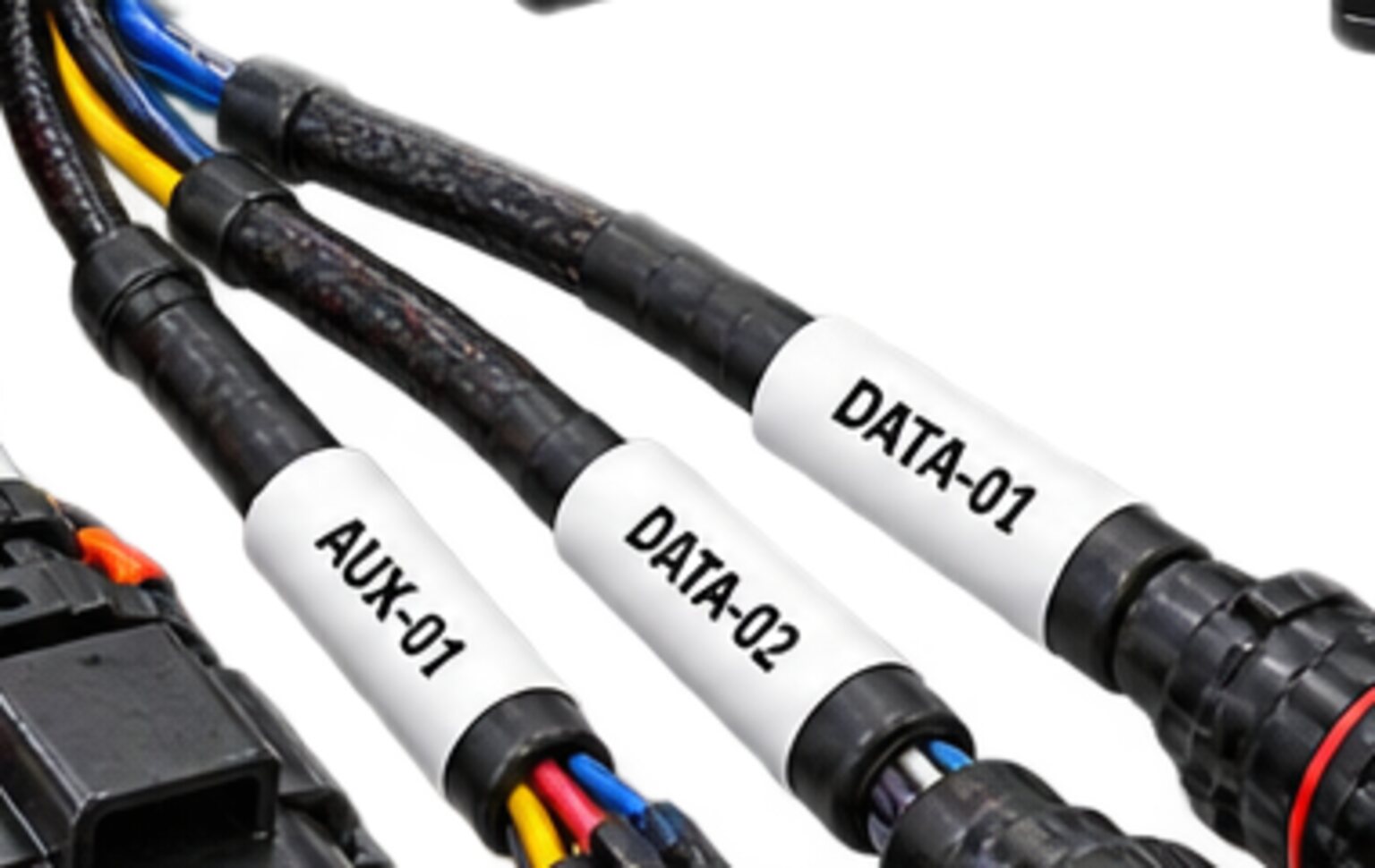
Identification. The bench treats the colours reserved for the neutral and the bond as reserved, and nothing else wears them, and it identifies every conductor and every circuit so that the person who opens the enclosure after you can tell what they are looking at. On this bench, every conductor carries its circuit identity, end to end. A label at one end is a label for the person who put it there. The labelling and traceability page shows how the identity is carried and how it ties back to the drawing.
None of the four appears here as a number. They appear on the drawing for your assembly, cited by the engineer responsible for it, against the edition of the Code in force where the assembly will be installed.
How a mismatch presents, and who pays
An assembly built to another country's framework does not fail loudly. It arrives on time and well made. The failure begins when someone at the site tries to connect it.
The inspector looks for marks and does not find ones the authority recognizes. The enclosure is wired by a method the Code does not permit in that location. The conductor colours mean one thing under the framework they were chosen from and another under the Code, so the neutral and the bond are not where a Canadian electrician expects them. The terminals at the boundary do not match the field wiring method the site was designed around. Nothing about the assembly is wrong in the country it was built for. Everything about it is unresolved in the country it is standing in.
It is a vehicle brought across the border. The engine runs and the wheels turn, and it still cannot be registered until someone with authority has examined it against the standard that applies here.
The buyer pays. The currency is schedule first, because the energization date moves. Then labour, because the assembly is opened at site and re-terminated by field electricians, which is the labour the prefab was bought to save. Then an evaluation nobody budgeted, because the only way to keep the assembly is to have a recognized body examine it where it stands. Sometimes the cheapest answer is a second assembly, and the first becomes freight in the other direction. The supplier that built it has been paid and is in another jurisdiction. The test discipline that keeps this from happening to an assembly from this shop is on the quality page, and what travels with an assembly is on the record.
What we refuse
We refuse to build an assembly ahead of its approval route. The route is confirmed with the certifying body for that assembly before the first conductor is cut, and you hear the answer before the build starts.
We refuse to quote a numbered reference from memory. The Code is cited on the drawing, by the engineer responsible, against the edition and the jurisdiction that apply. It is not cited in public, and it is not recited from memory to a buyer who asks.
We refuse to pass off an assembly built to another country's framework as compliant here. If a part or a design you bring us was chosen under a different framework, we say so, and the assembly is not quoted until its route under CSA and the Code is known.
We refuse to claim a certification this shop does not hold. A certification is a fact about a specific product or a specific assembly, granted by a body, and it is stated once on the page that carries it or it is not stated at all. Everything else the shop says in public is what it says it is: the discipline it applies to every assembly it builds.