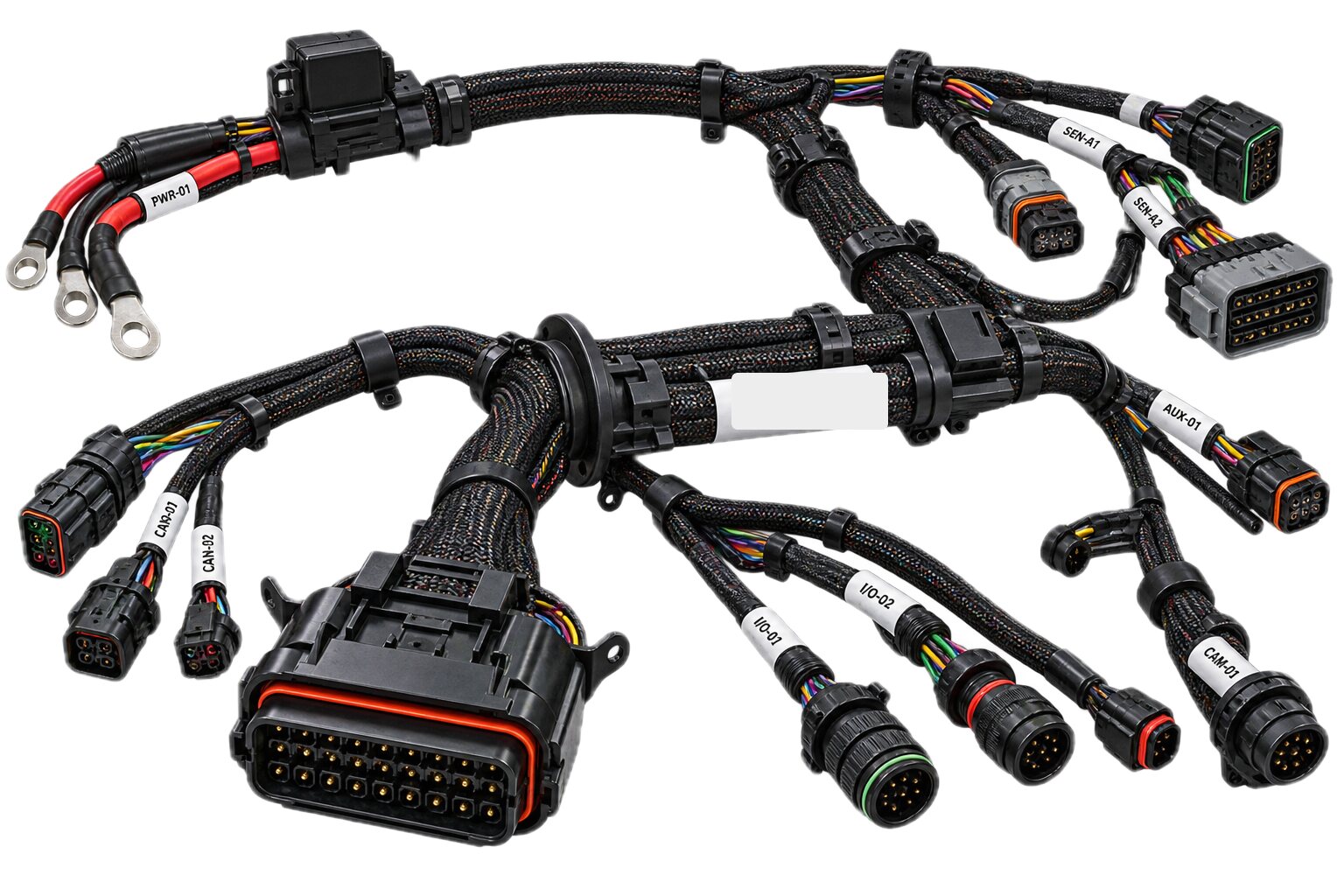
The first message does most of the work. It says what the machine or the plant is, where the assembly will be installed, and what you need back and when you need it, and it has the drawing set or the interface specification attached at its stated revision. Send all of that as one message. A description on its own comes back as a list of questions. A set on its own comes back as the same list. Together they come back as questions we can close, and then a takeoff.
What to send first
Put these in the one message:
- The machine or the plant: what it is, what it does, and whether it is running now or still being built.
- The drawing set or the interface specification, attached, at the revision you want built. Not a description of it and not an excerpt from it.
- Where the assembly will be installed: the environment it lives in, what it has to survive there, and who handles it once it is in.
- What you need back: finished assemblies, a landed kit, the shop pack returned to your master, a test record for each assembly, or all of them.
- When you need it, and what fixes that date.
The revision matters more than it looks. A set that changes under a takeoff produces a harness to a drawing nobody holds any more. We build to the revision you state. A change to the set after that is a new revision and a new signature, not a note in an email. If you are not sure which of the readers on who it's for is you, say so and we will tell you.
What we ask before we quote
A set has to answer a fixed list of questions before anything can be built from it, and we ask every one of them before we price anything. Which circuits exist and what identity each one carries at both ends. Which connector sits at each end and which contact each conductor lands on. Which circuits are safety, which are power and which are data, so that the safety set never shares a bundle, a splice or a shell with power. Which ends are fixed and which are free. What the assembly has to survive: vibration, flex, temperature swing, wash-down, a person pulling on it, a person mating it in the dark with gloves on. Where each shield goes home, and at which end. If your set answers all of that, the scope follows, and the price follows the shop drawing drawn from it. If it does not, the questions come back to you as a list, and nothing on that list gets a guessed answer from us.
We say what the date is made of when we send the scope: the walk, the board, the first article, and the assemblies after it. We do not put a first-unit date on it until the route can be walked, and if you need one before then we say it is a guess and why.
Two things are settled in writing before the quote. The first is the scope on controls. On many building services sets, low-voltage controls and their wiring sit in the mechanical trade's scope and line-voltage controls sit in electrical's, and the general notes decide which. We do not assume which side of that line your job is on. The second is the approval route. The components we specify carry their own certification. The approval route for a finished, project-specific assembly is confirmed with the certifying body for that assembly before it is built, and we tell you where yours sits before we build it, not after. CSA and the Canadian Electrical Code govern, and the position is stated in full on CSA and the Code.
Safety circuits never share a bundle, a splice or a shell with power.
The walk
Before the shop drawing is drawn, someone from the shop walks the machine or the pad with the issued set in hand. A set gives the nominal route. The machine has the bracket that is not on the drawing, the hose that moved in the last option package, the cab that was ordered with the other seat. The pad has the conduit stub that did not come up where the plan put it. The walk fixes every length at the fixed ends and the free ends, marks the route, notes every clamp point and every bend against a fixed end, and finds out who handles each connector and how. The walk happens where the machine is, or on a fixture the design authority accepts in its place, and it is quoted and scheduled with the takeoff, not after it. A tailor measures the person, not the description of the person, and the walk is where the loom gets measured.
What the walk finds goes back to you as a query on your drawing. It does not become a change we made and mentioned afterwards. Where the issued set states a length and somebody owns it, the set governs. Where it does not, the walk fixes it. There is no third source for a length.
The takeoff and the shop drawing
The takeoff comes from the set and from nothing else. Every conductor, every termination, every length the set states and every item of material is listed against the drawing that calls for it. Nothing is carried from memory and nothing is carried from another job.
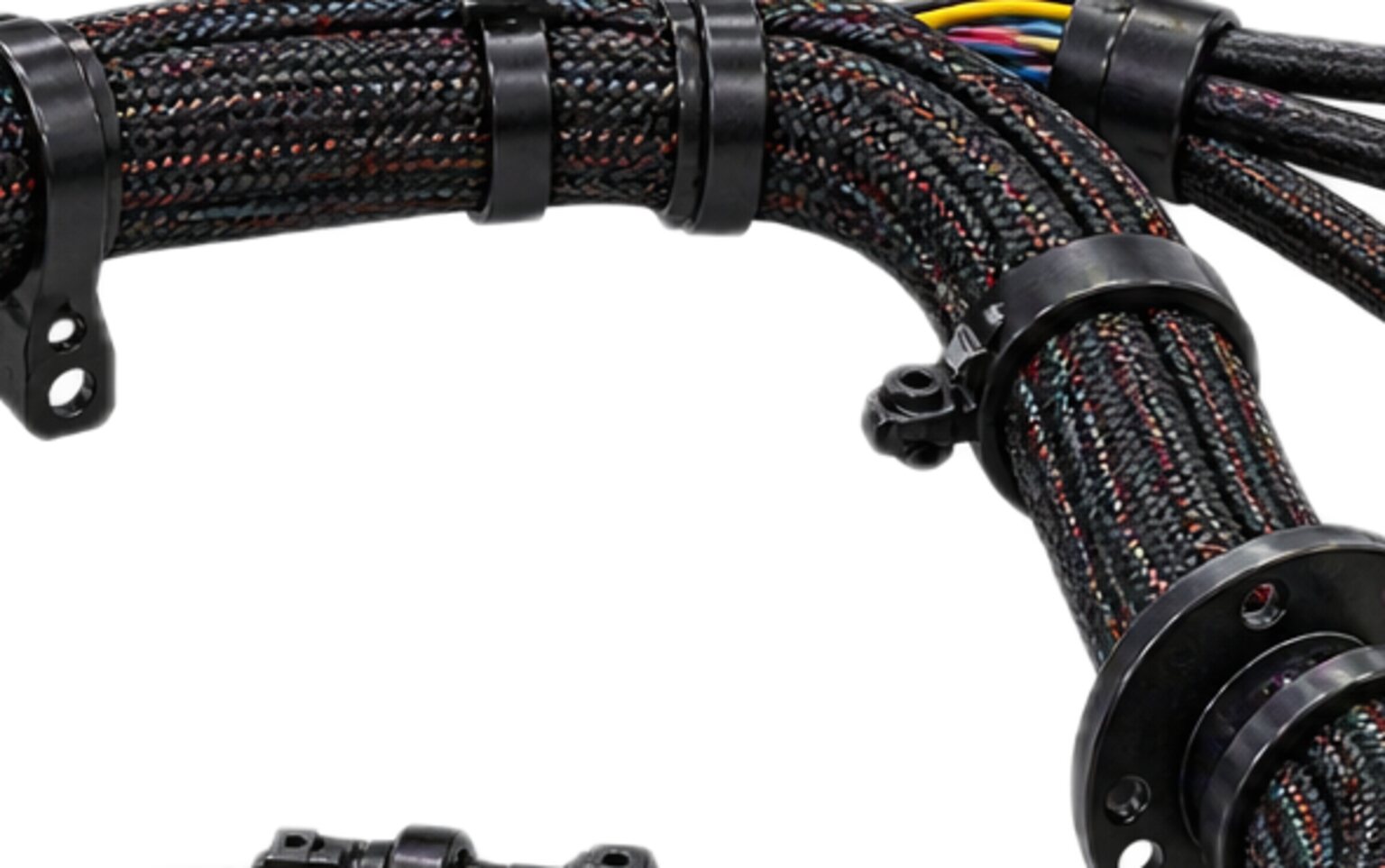
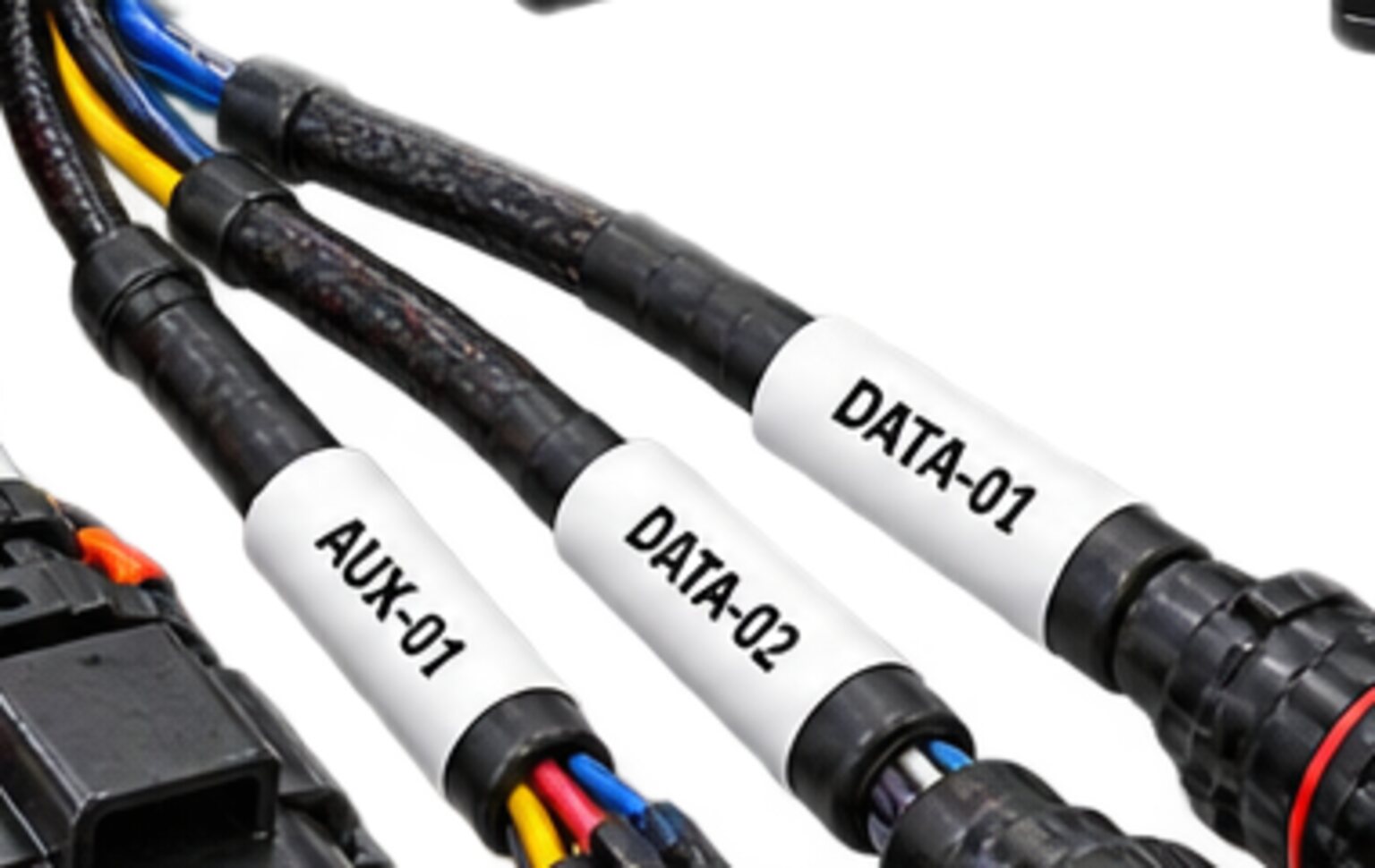
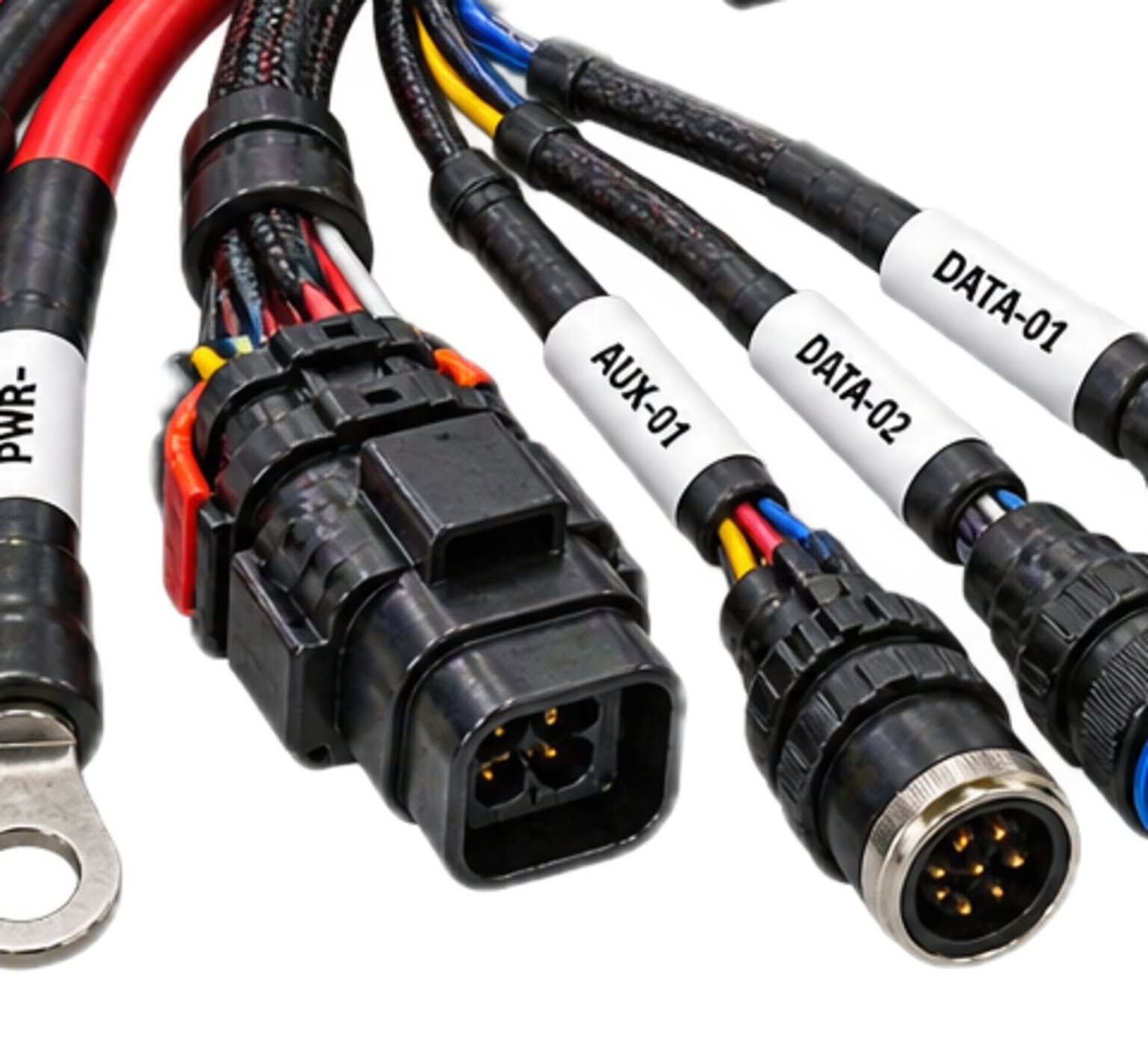
The shop drawing is the assembly as we intend to build it, drawn in your numbering. It shows the route, the breakouts, where the bundle splits and what decides the split, the segregation between safety and power, the label on every conductor, the connector and contact assignment at each end, and the test sequence the finished assembly will be put through. It is the one document both of us can point at and mean the same thing by.
You sign it. That signature opens fabrication, and nothing is fabricated until the drawing is signed. The signed shop drawing is also what we price against, never a description. A price against a description is a price for something neither of us has seen, and whichever of us guessed wrong pays for it in the end.
The build, the test sequence and the record
The formboard is laid from the signed shop drawing, and the way the shop lays it is on formboards and manufacture. Conductors are cut and marked with their circuit identity before they are laid, not after, so the label is on the wire when the bundle closes and can be read at both ends for the life of the assembly. Safety circuits are laid apart from power and stay apart at every breakout and in every shell, and they carry no splice at all. Shields are terminated where the drawing says and at the end the drawing says.
Every finished assembly is tested before it leaves, in a fixed sequence. A continuity test asks whether each conductor lands where the contact assignment says it lands, and nowhere else. An isolation test asks whether two circuits that must never meet are in fact separate. A bond test asks whether each shield and each bond has the path home the drawing gave it, at the end the drawing gave it. On a training loom there is one more: a check from the rig to the host side that has to return nothing. What each test is set to is stated on your assembly, by the engineer responsible for it, against your specification. It is not written on a website and it is not sent by email. What each test proves, and what a failed one means, is on test and acceptance.
Each assembly leaves with its own record: which assembly it is, which drawing and revision it was built to, which material lot went into it, what each test returned, and who built and who tested it. The record travels with the assembly and a copy goes into the pack. What the record holds is on the record.
The return of the manufacturing detail
The shop pack goes back to your drawing master when the build is done: the shop drawing with the walk's findings on it, the formboard, the cut list, the material list and the test record for every assembly, all in your numbering. We build to your issued set and we return the manufacturing detail. We keep no private copy of your design and we claim no authority over it. The assembly on the machine and the drawing in your vault describe the same object, and the pack is what makes that true.
After the kit lands
The conversation does not end at the dock. A crew landing the kit works by the label, and a question from the ground goes to the shop drawing by that label. A repeat build starts from the signed drawing at its revision, so the second assembly is the first one again rather than a memory of it. A change to the set is a new revision and a new signature, and it opens fabrication the same way the first one did. If an assembly misbehaves in the field, the record says which lot, which test and which drawing, and that is where the search starts. We would rather hear about a fault from you than from the machine.
What we will not settle in a message
- We will not state a test value.
- A value is set on an assembly by the engineer who owns it, or it is not set.
- We will not price from a sketch, a photograph or a paragraph; we price against a signed shop drawing.
- We will not accept a seam that nobody owns.
- When the payload side says the carrier will settle it and the carrier side says the payload will, there is no set to build to, and we will say so and stop.
- Everything else goes in the first message, with the set attached, to enquiries.