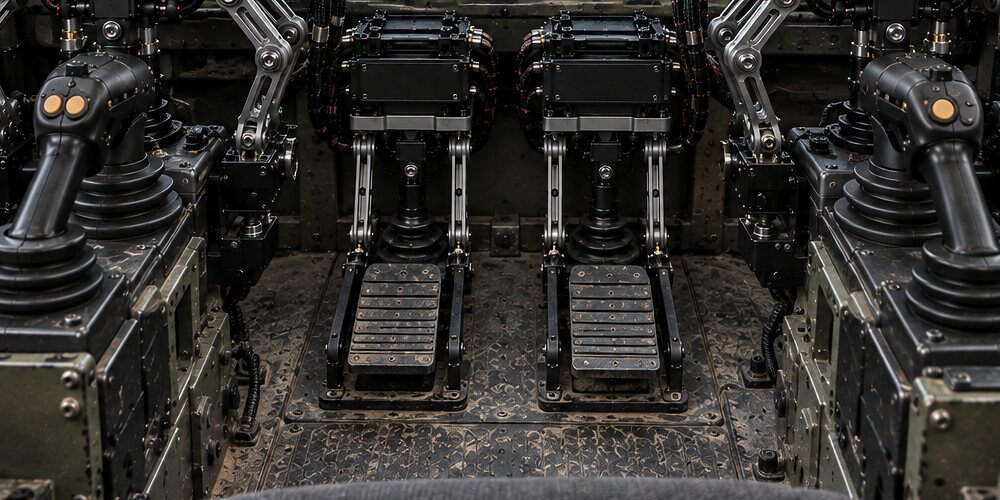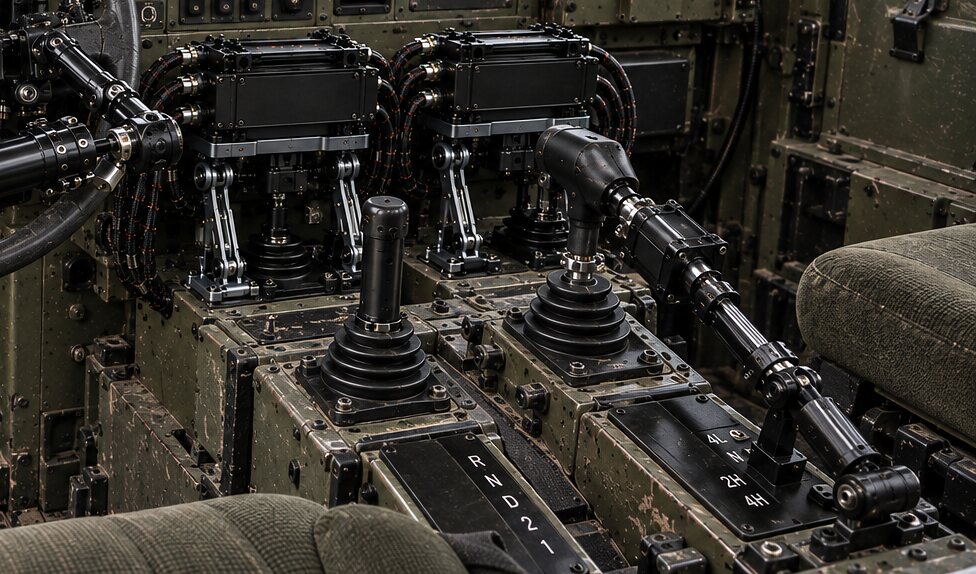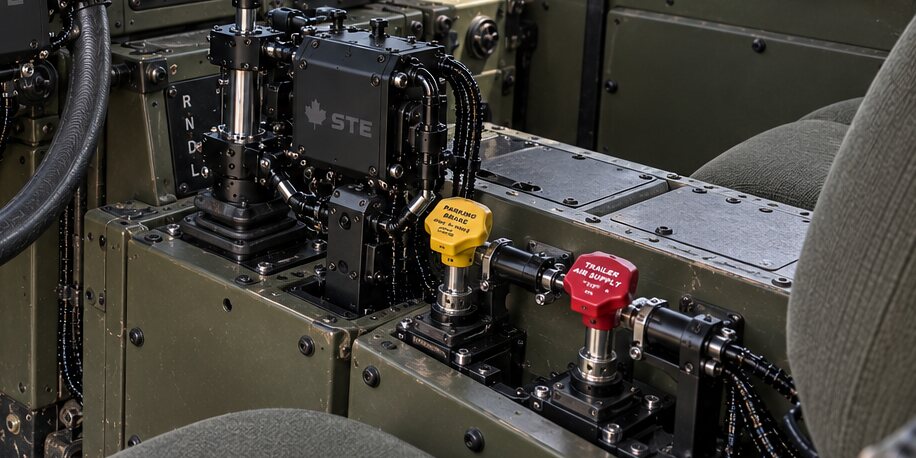
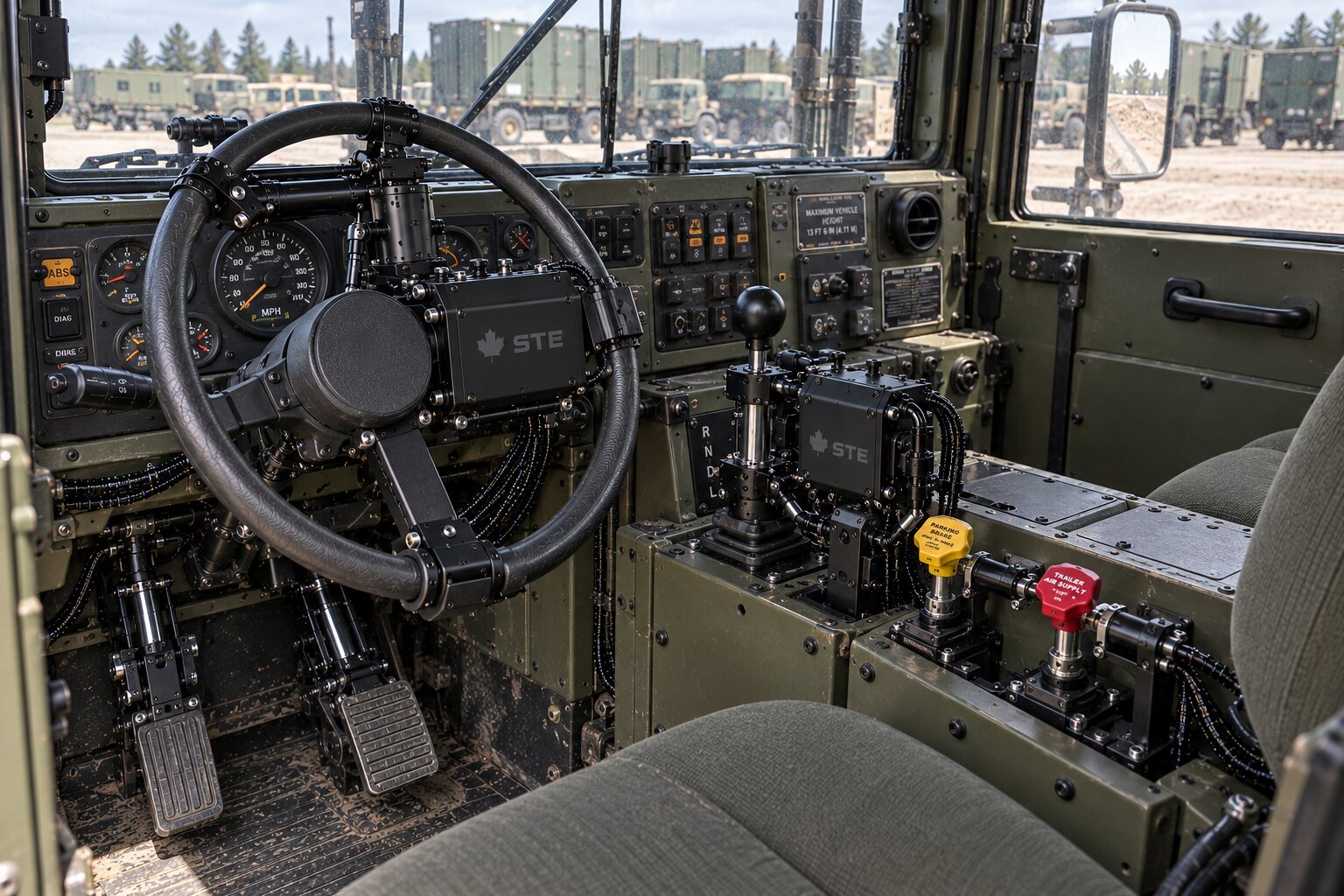
The work is building wiring harnesses for machines that run without a person at the controls and for plant on ground that has no labour. It is done at a bench, at a formboard and at a test station, from a signed drawing to a written record. It suits a person who would rather measure than guess, who reads the drawing before touching the wire, and who writes down what they did while they are doing it.
A day at the bench
The bench is where conductors become a harness. The day starts with the shop drawing at its stated revision and the cut list drawn from it. Wire is cut to the length on the list, stripped to the depth the terminal wants, and terminated with the tool that terminal was made for, set to that terminal and checked before the run. Every conductor is labelled with its circuit identity before it goes anywhere, because a conductor without an identity cannot be proven right later, only guessed at.
The bench is also where the discipline shows or does not. Safety circuits never share a bundle, a splice or a shell with power, and the bench is where that rule is kept. The drawing says where the bundles split; the hands make the split. Nobody at the bench moves a split because it looks tidier the other way. A change goes back to the drawing first, and the drawing comes back signed or it does not come back.
A day at the board
The formboard is the harness laid out flat at full size, every branch where it will be on the machine, every breakout at the place the drawing puts it. Wire is routed on the board along the drawn path, bundled, tied where the drawing says to tie, and dressed so that it lies on the machine the way the board says it will. A harness built on a board is the same harness every time. One built loose on a bench is a different harness every time, and the machine can tell. There is more on the board at formboards and manufacture.
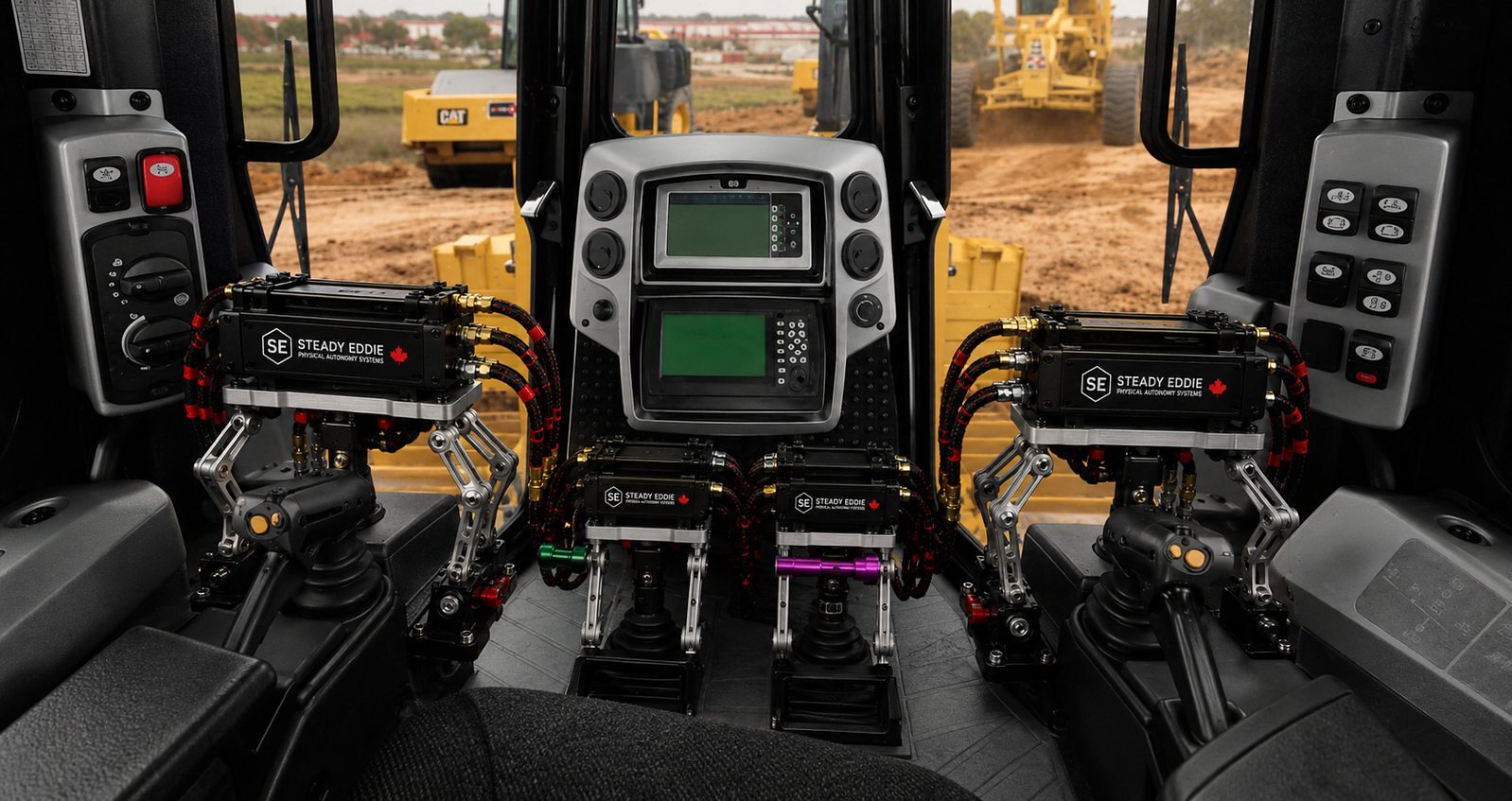
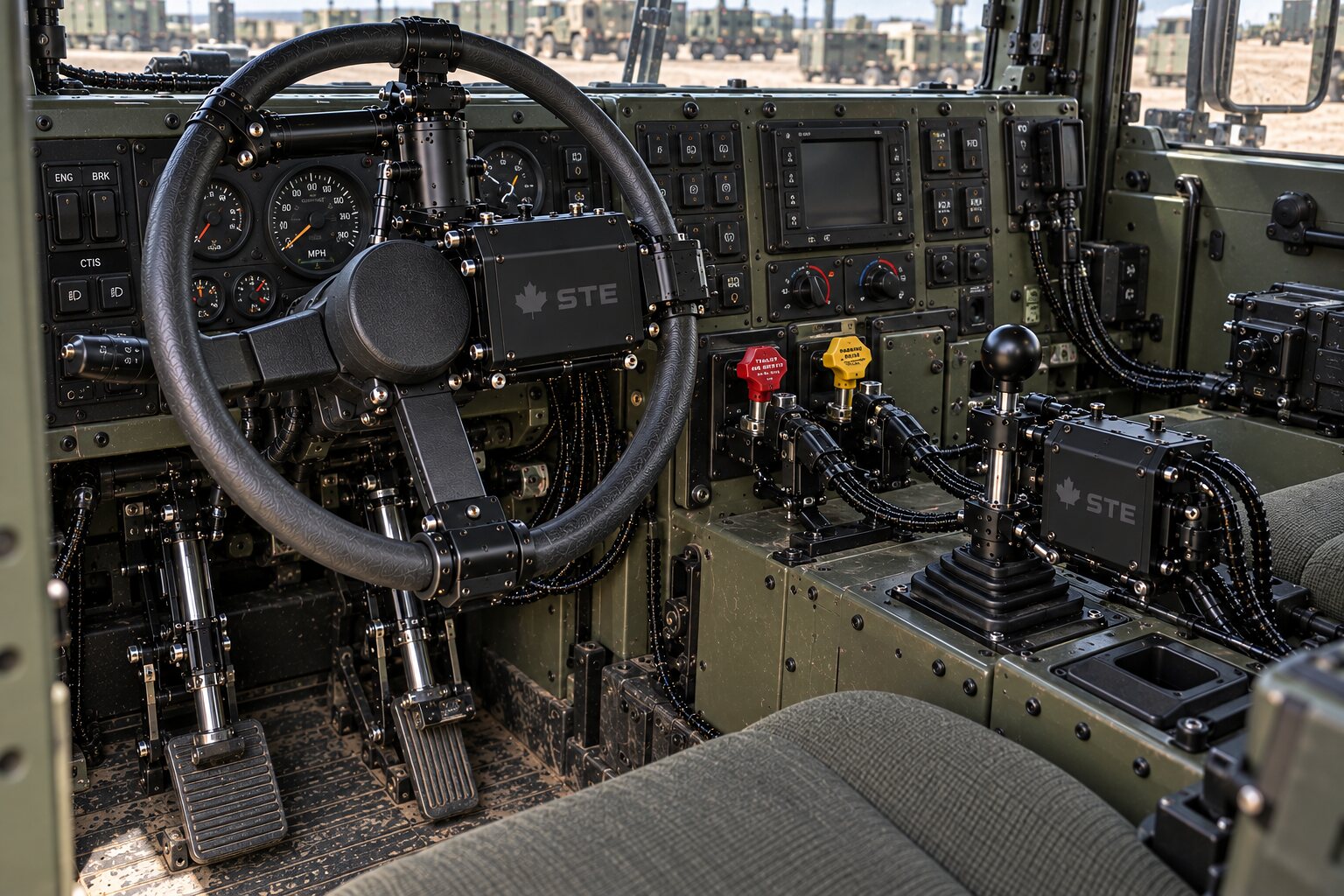
Every conductor carries its circuit identity, end to end.
A day at the test station
The test station is where the harness proves itself before it leaves. Continuity proves that every conductor arrives where its identity says it should. Isolation asks whether two circuits that must never meet are in fact separate, and on a harness that carries a safety chain beside a power feed that question is the whole point. A test is run against the specification for that assembly, at the value the engineer responsible for it has stated, and the result is written into the record with the assembly's identity on it. The person at the test station does not decide what the value is. They decide whether the harness met it, and they write down what they saw. Test and acceptance describes what each test proves.
The drafter
A drafter turns an issued set into a shop drawing. The set comes from the programme that owns the design. The shop drawing is what the floor builds from, and it is owed back to that programme as part of the manufacturing detail. The drafter performs the takeoff, resolves every length against a route, every connector against its shell and its contacts, every label against the circuit list, and lays out the board. Where the set leaves something open, the drafter writes the question rather than the assumption. A shop drawing that carries an assumption carries a guess, and a harness built to a guess is scrap on a good day and a hazard on a bad one.
The quality person
Somebody keeps the record, and the record is the harness's second copy. It says which drawing at which revision the assembly was built to, which lot the material came from, who cut, who terminated, who tested, what the result was and against what. It is written as the work is done, not reconstructed afterwards from memory. The person who keeps it checks the tool settings before a run, checks the labels against the circuit list, checks the finished assembly against the board, and signs. The signature means the record and the harness agree. The record and quality describe what the record has to hold.
The habits the shop asks for
The shop asks for these from everyone, on the first day and on every day after it.
- A tool set and checked before a run. The crimp tool is set to the terminal it is about to make and checked on a sample before the first live crimp, every run, whether or not it was right yesterday.
- A record written as the work is done. Not after the shift, not from memory, not on a scrap of paper to be typed up later. The record is written at the bench, with the work in front of you.
- A length measured rather than guessed. If the list gives a length, the wire is measured to it. If the list is silent, the wire is not cut until somebody has measured the route and written the length down.
- A question asked before a cut. Anything the drawing leaves open is a question, and the question goes to the drafter before the wire is cut, not after. A cut wire cannot be uncut.
What the shop offers in return
Not a list of perks. The shop offers the way the work is done. You build from a signed drawing, so you are never asked to make something up. You build on a board, so the work repeats and a good day can be repeated. You write the record as you go, so nothing you did is lost and nothing you did not do is claimed on your behalf. Your question stops the cut, and nobody here is thanked for guessing quickly. When a harness leaves the floor it leaves with your name in the record, and it goes onto a machine that has to work with nobody there to fix it. Workmanship describes the standard the shop holds itself to.
How to write to us
Write to [email protected]. Say what you have built: harnesses, looms, panels, drawings, records, whichever of those you have made with your own hands, and what they were for. Say what you want to build. Attach nothing you are not allowed to share; describe it instead. A message that says what you measured, what you got wrong once and how you found it, tells us more than a list of certificates.
What we refuse
We do not take on anyone who would rather guess than measure. The shop can teach a crimp, a board and a record. It cannot teach a person to stop and reach for the rule when the length is not on the list, and it will not put a harness on a machine that was built by someone who did not stop. A value nobody measured never reaches a wire. That is a rule about wire, and it is also a rule about who touches it.