
Stripping, ferruling and landing conductors inside a box is bench work, and on a pad it is done in the cold by a journeyman who came a long way to do it. Every one of those hours belongs in a heated shop, with the drawing pinned up and the tester within reach. This package moves that hour. The enclosure arrives with its terminations made, every conductor identified at both ends, and the interconnect to its neighbours cut to a length somebody walked with a tape. What is left for the site is the landing.
The seam is the terminal strip. Inside it, everything was built in the shop with the drawing in hand. Outside it, everything was built by the site, to the site's own set, by people who have since gone home. The package is laid out so the two meet on a labelled row of terminals and nowhere else. The general case is written up under the seam.
The mechanism
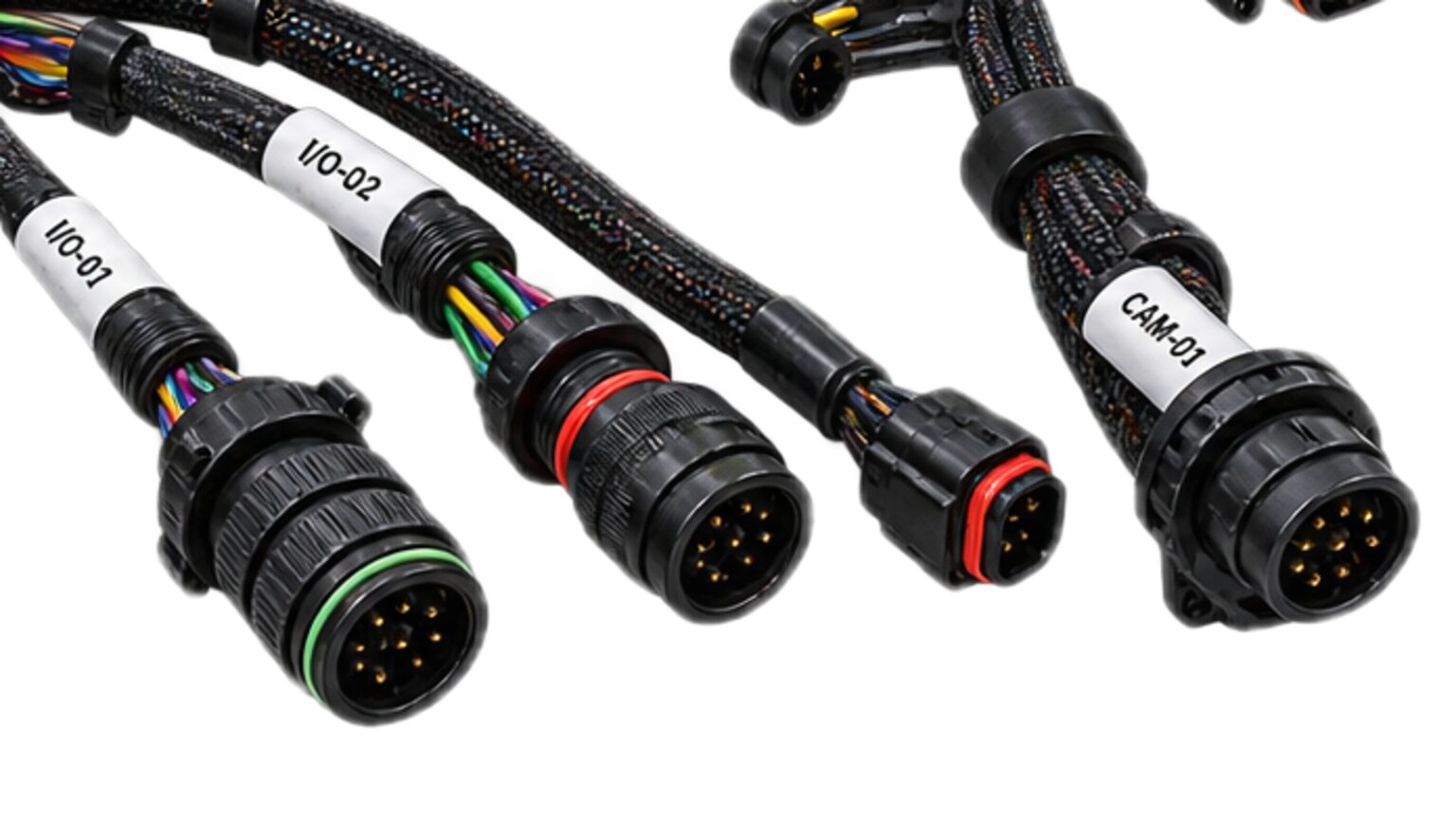
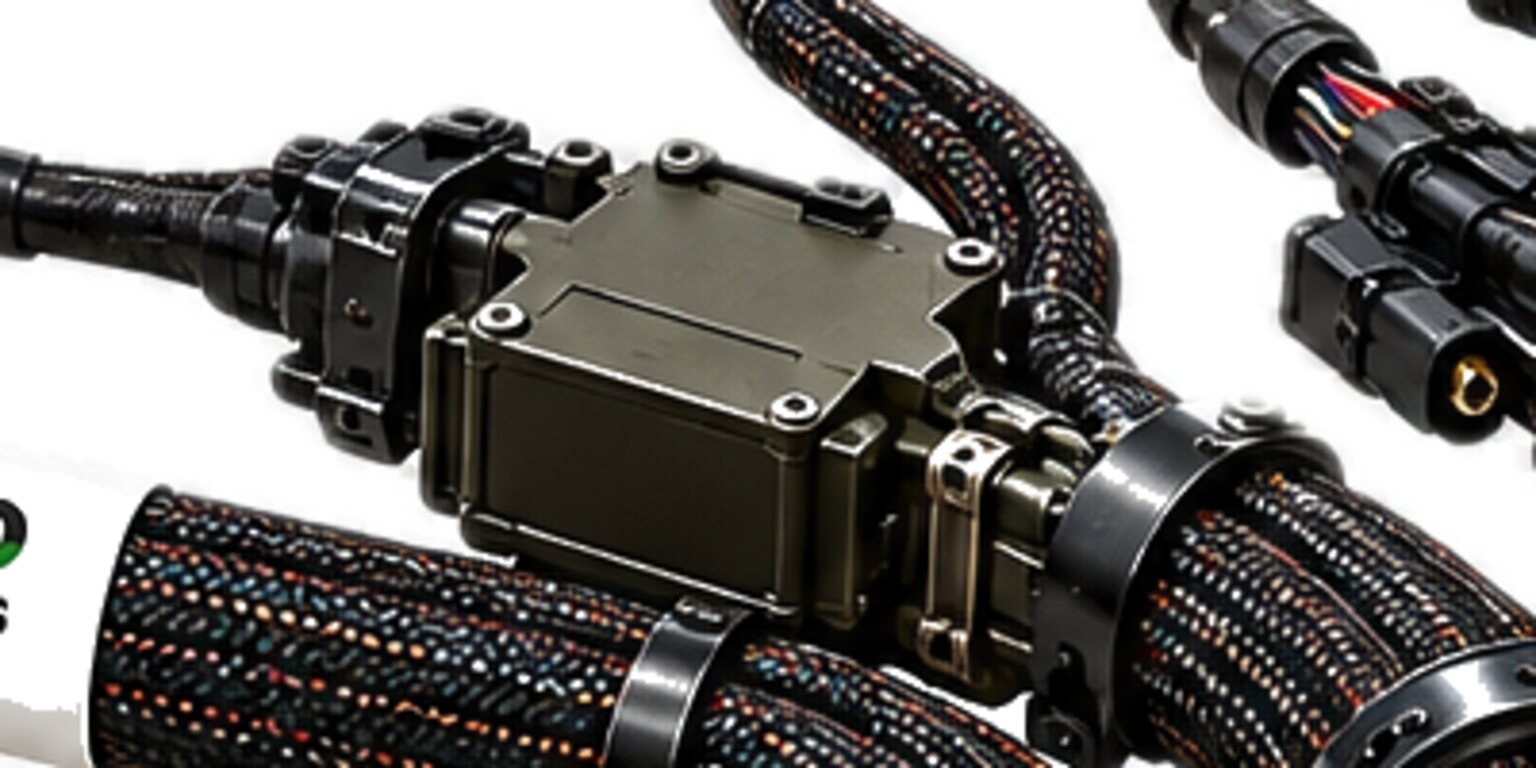
The package is one or more enclosures, wired, and the whips that join them. Each enclosure is of the type the drawing calls for, rated for where it will sit, with a backplate carrying the rail, the wiring duct and the devices in the layout the drawing shows: protective devices, contactors, relays, terminal blocks, a control transformer, a heater and its thermostat if the location needs them. The internal wiring runs in duct, stranded, ferruled at every termination, dressed in the order the terminal schedule gives, and marked at both ends with the circuit identity on the drawing.
The terminal strip is built in two halves. The panel side is ours: every conductor from every device lands on it in the shop, torqued to the device maker's value, with the value recorded. The field side is the site's. It is left clean, numbered as the drawing numbers it, spares fitted where the drawing shows them, nothing landed on it that the site did not draw.
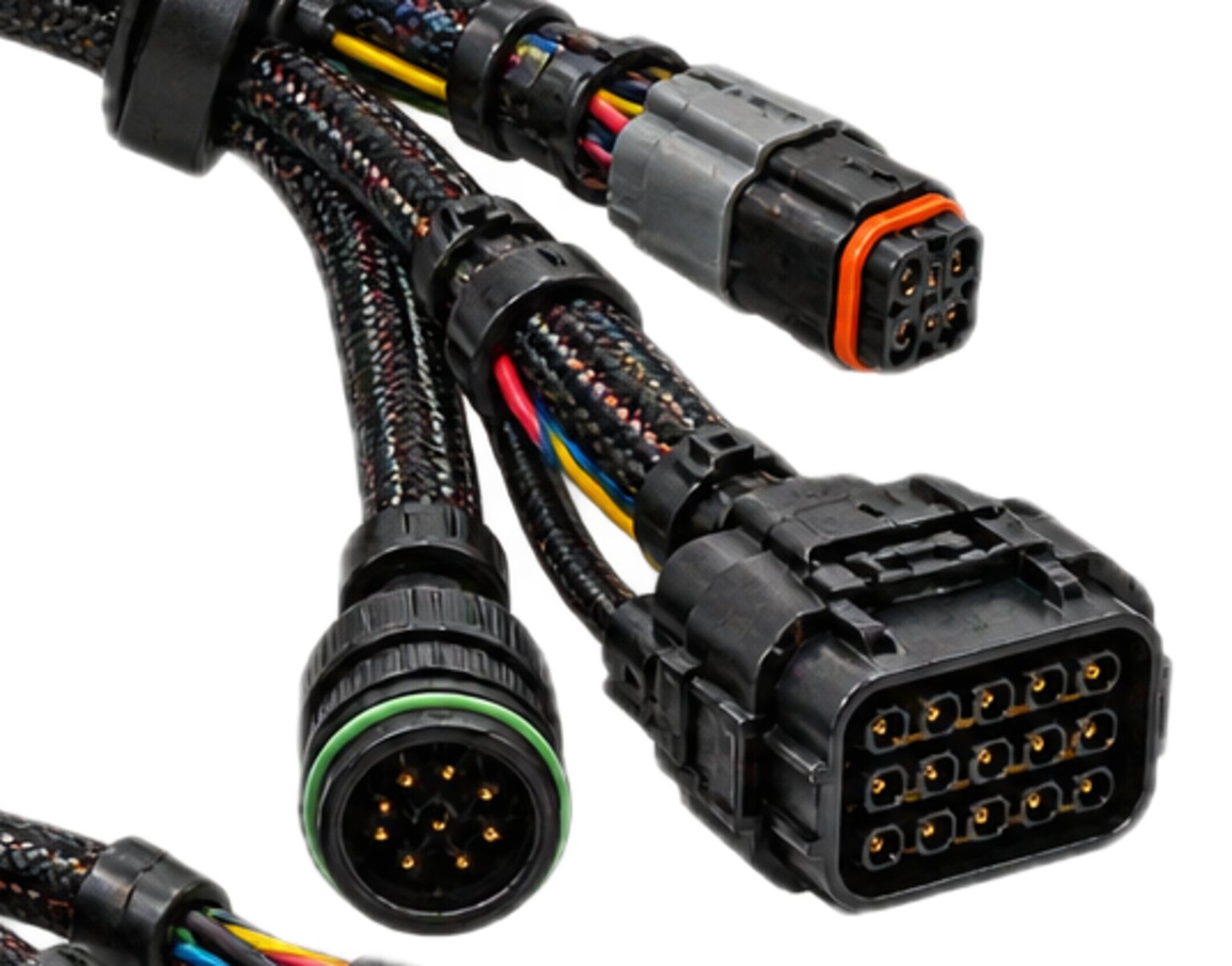
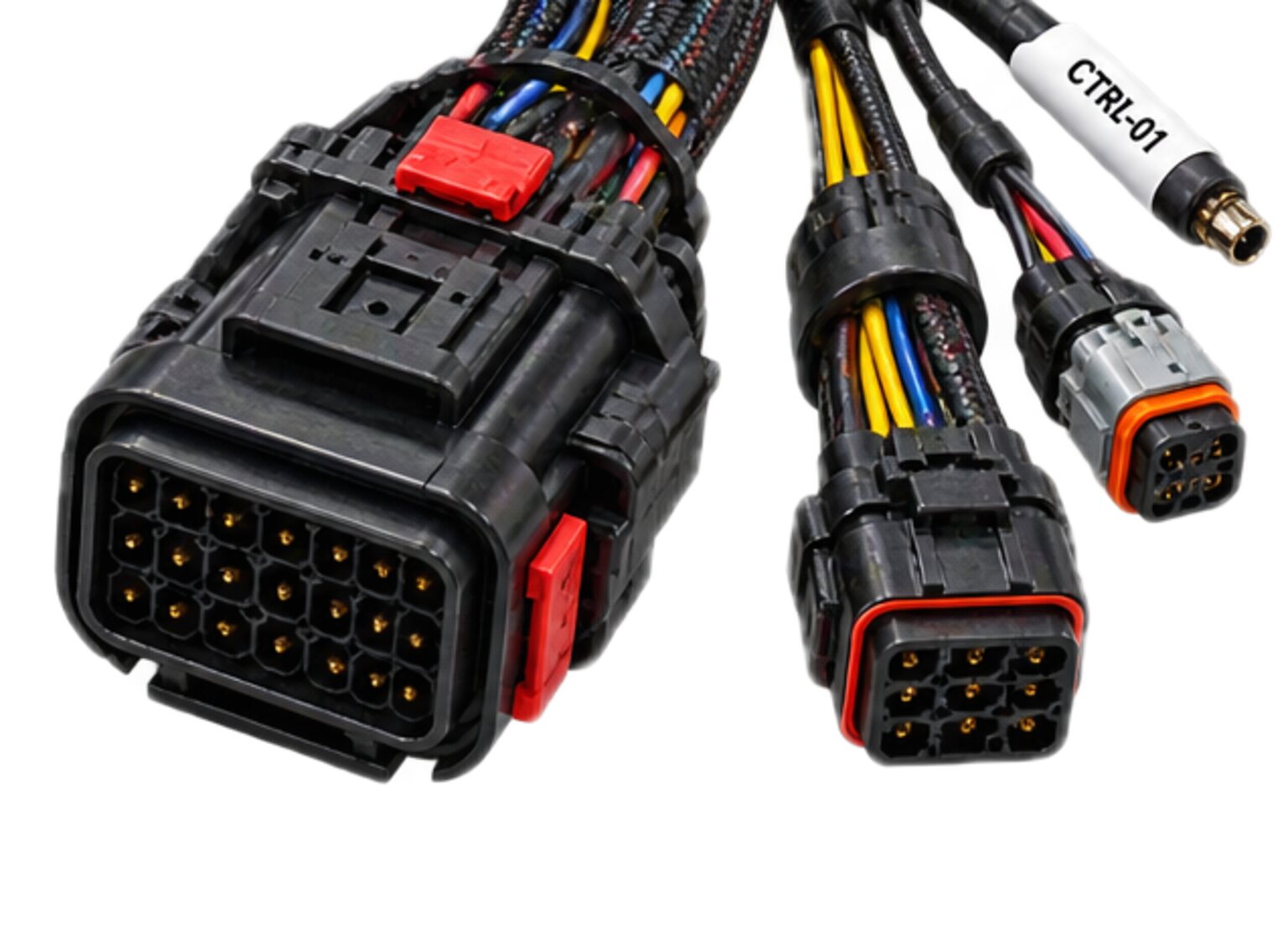
The interconnect is the set of whips between enclosures. Each whip is a cable of the construction drawn, glanded at the shop end, terminated on the panel side of the strip, and either terminated at the far end onto the mating enclosure or shipped as a tagged tail, stripped, ferruled and marked at the far end, for the site to gland and land. The length of every whip is a walked length. Someone stood on the pad with a tape and measured from entry to entry along the route the cable will actually take, with the drip loop and the service loop added. A whip cut to a length scaled off a plan is short, and a short whip is a splice nobody drew.
Entries are drawn, not punched on the day. The gland plate shows every entry, the gland for the cable that will pass through it, and the plug for every entry not used. Entries are on the bottom or the low side wherever the layout allows, so that water on the outside of a cable has a drip loop to fall from before it reaches the gland, and water that gets inside has somewhere to go that is not a terminal. A top entry is a drain into the panel, drawn only when nothing else is possible and then sealed as though it will be rained on, because it will.
The record travels in the door pocket: the drawing of that enclosure as built, the terminal schedule, the wire list with every conductor's identity and both its ends, the gland schedule, the torque record and the test record. The person who lands the field wiring opens the door holding the same drawing the shop held. The person who comes back in a year to find a fault holds it too.
What it is engineered to
The landing this package serves is a pad, a wall or a skid frame with the site's field wiring arriving at it, and the site's own set governing everything on the far side of the strip. The package promises the site a strip that matches the drawing terminal for terminal, markers that match the schedule, glands sized to the cables the schedule says will arrive, and entries where the layout puts them. The site promises the package that the field cables are the ones on the schedule, that they arrive at the entries drawn, that the mounting is what the drawing shows, and that the bonding conductor is there to land on. When either side changes without telling the other, the seam is where it shows.

The whips are engineered to the measured route, which means the enclosures have to sit where they sat when the route was walked. Move one on the day and the whip that was right is now short or now coiled, and both are failures. If the pad is not poured when the whips have to be cut, they are not cut. The whip schedule stays open, the walk is booked for when the pad exists, and the package is completed to it, because a whip cut to a pad that is not there is a guess with a gland on it. We do not guess a length and hope.
Transit shakes an assembly in an axis it never sees in service. A device on the rail walks unless the end clamps hold it. A conductor with slack flogs against a sharp edge for the length of the highway. The package is dressed and tied for the truck, not only for the wall: end clamps on every rail run, conductors tied down along their length, the door latched and the record bagged. Before power the site is asked to check that nothing has moved, and the record says what to look at.
Winter does two things. Metal shrinks and gaskets harden, and a termination that was torqued is still right while one that was merely tight has let go. Cold also stiffens cable, so a whip flexed after landing cracks its jacket at the gland. The whips are routed and supported so that once landed they do not move, and the enclosure carries a heater and a breather or drain where the drawing calls for them, because a sealed box that cycles between a cold night and a warm day breathes moisture in and cannot breathe it out.
A wash-down is water under pressure looking for a way in, and it finds the gland on the wrong cable, the unplugged entry and the cover with a screw missing. Every gland is matched to the cable that passes through it, every unused entry carries the plug the drawing shows, and the gasket faces are clean when the door closes.

A value nobody measured never reaches a wire.
The discipline applied to this harness
Inside one enclosure the line-voltage and the low-voltage wiring are kept apart, in separate duct runs, crossing at right angles where they must cross, entering by separate glands. A safety circuit that passes through gets its own duct and its own gland, because a safety circuit bundled with power can be held closed by its neighbour. Protection sits at the source of every circuit, on the drawing. The enclosure is bonded, the backplate is bonded to it through a connection that bites metal rather than paint, the door is bonded across its hinge, and the bonding conductor lands on a lug that is drawn and labelled, not on a convenient screw.
Every conductor carries its circuit identity, end to end. In this package that sentence does all the work. The marker at the device end matches the marker at the strip. The marker on the shop end of a whip matches the marker on its far end, and both name the circuit on the schedule, not a number the shop made up. When the site lands its field conductor on a terminal, the identity on the site's cable meets the identity on ours, and the drawing in the door pocket says which is which. The method is set out under labelling and traceability.
Every finished enclosure is tested before it leaves. A point-to-point check reads every conductor on the wire list from one end to the other. An isolation test asks whether each circuit is separate from the enclosure and from every circuit it must never meet, with the devices that bridge them lifted where the drawing says to lift them, and it is run on every finished assembly before it ships. Where the devices allow it, the control logic is exercised on the bench from the field side of the strip, so the site lands onto something that has already worked. What each test proves is on the record. What it is set to is stated on the specific assembly by the engineer responsible for it.
The Canadian Electrical Code governs how conductors are protected, separated and bonded, and CSA governs the components and the route for the finished assembly. The components we specify carry their own certification. The approval route for a finished, project-specific assembly is confirmed with the certifying body for that assembly before it is built, and we tell you where yours sits before we build it, not after.
Done badly, this package fails in the door, months later, on a site with nobody on it. A marker that does not match the drawing sends the next person to the wrong terminal. A termination that was finger tight becomes a hot joint, then a nuisance trip, then an open. A gland on the wrong cable, or a top entry punched rather than drawn, puts water on the strip. Each presents as an intermittent, each is cleared by a truck roll, and on a remote site a truck roll is a licensed pair of hands and the road at both ends of the fix. That is the currency this package is built to save, and the currency a bad one spends.
How it is bought
The package is built from the issued set: the enclosure layout, the schematic, the terminal schedule, the cable schedule and the gland schedule. Where the set does not give a terminal schedule, the shop drawing produces one and returns it for signature.
The takeoff comes off the set: every device, every terminal, every conductor by construction, every gland and plug, every marker. The shop drawing follows: the backplate layout as it will be built, the wire list with every conductor's identity and both its ends, the whip schedule with every walked length, and the record template that will travel in the door, with a copy returned to you for the project file. Nothing is fabricated until the drawing is signed. The signature is yours.
To start, send the issued set, or the part of it that describes the enclosures, say where they are going and whether the pad exists yet, through enquiries. The first thing back is the scope question, then what the takeoff needs and what the walk has to see before a length is cut.
The scope agreement on controls is settled before the quote. On most industrial drawing sets the low-voltage controls and their wiring are the mechanical trade's scope and the line-voltage power and controls are the electrical trade's. We do not quote low-voltage building-automation or instrumentation wiring inside an enclosure as part of an electrical package without an explicit scope agreement that says whose it is and where the boundary conductor lands. Without one, the terminals for it are fitted, labelled and left clean for the trade that owns them. We refuse to price a conductor that nobody has claimed, and we refuse to cut a whip to a length nobody walked.